
When to Start Seeds Indoors: Month-by-Month Guide for Cold Climates (H6/H7)
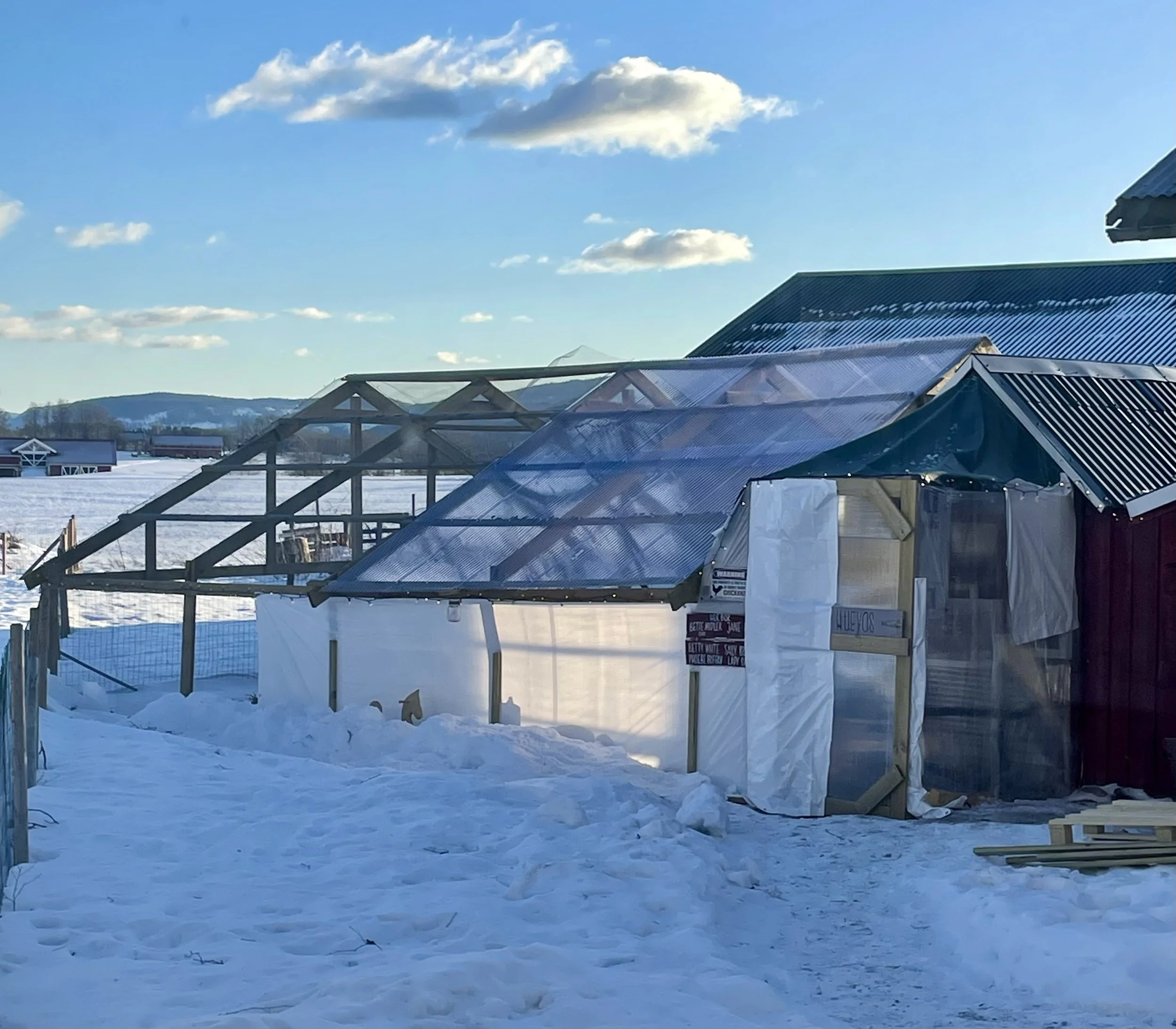
There's a particular kind of magic in those dark December evenings when I sit at the kitchen table checking my seed box, three dogs snoring by the wood stove, and a cup of tea going cold because I'm too busy dreaming about next summer's harvest. Living on a homestead in Norway, with our short growing season and late spring frosts, getting the timing right for seed starting isn't just about organisation—it's the difference between abundance and disappointment.
This guide is designed for gardeners in hardiness zone H6 or similar climates—areas with cold winters, a relatively short growing season, and risk of late spring frosts. If you're in a slightly milder zone (H5) or colder zone (H7), simply adjust the timing by a week or two earlier or later respectively. Not every year is the same anyway. Sometimes the ground is still frozen solid in April, and some seasons, everything starts to sprout outside in March. But the principles remain the same: pre-growing gives us crucial extra weeks, and choosing early-maturing varieties when possible makes all the difference.
I. What you can grow in December
While the world outside sleeps under snow, December marks the beginning of the growing year for those of us who plan ahead. This is the month of checking the seeds we have, what we need, anticipation, and a few carefully timed sowings that give slow-growing crops the head start they desperately need in our short summers.
Onions and leeks from seed should be sown around Christmas time. I know it feels strange to be planting seeds when there's barely any daylight, but these slow-growing alliums genuinely need the extra time to develop properly before our brief summer arrives. Without this early start, they simply won't reach a decent size before late summer.
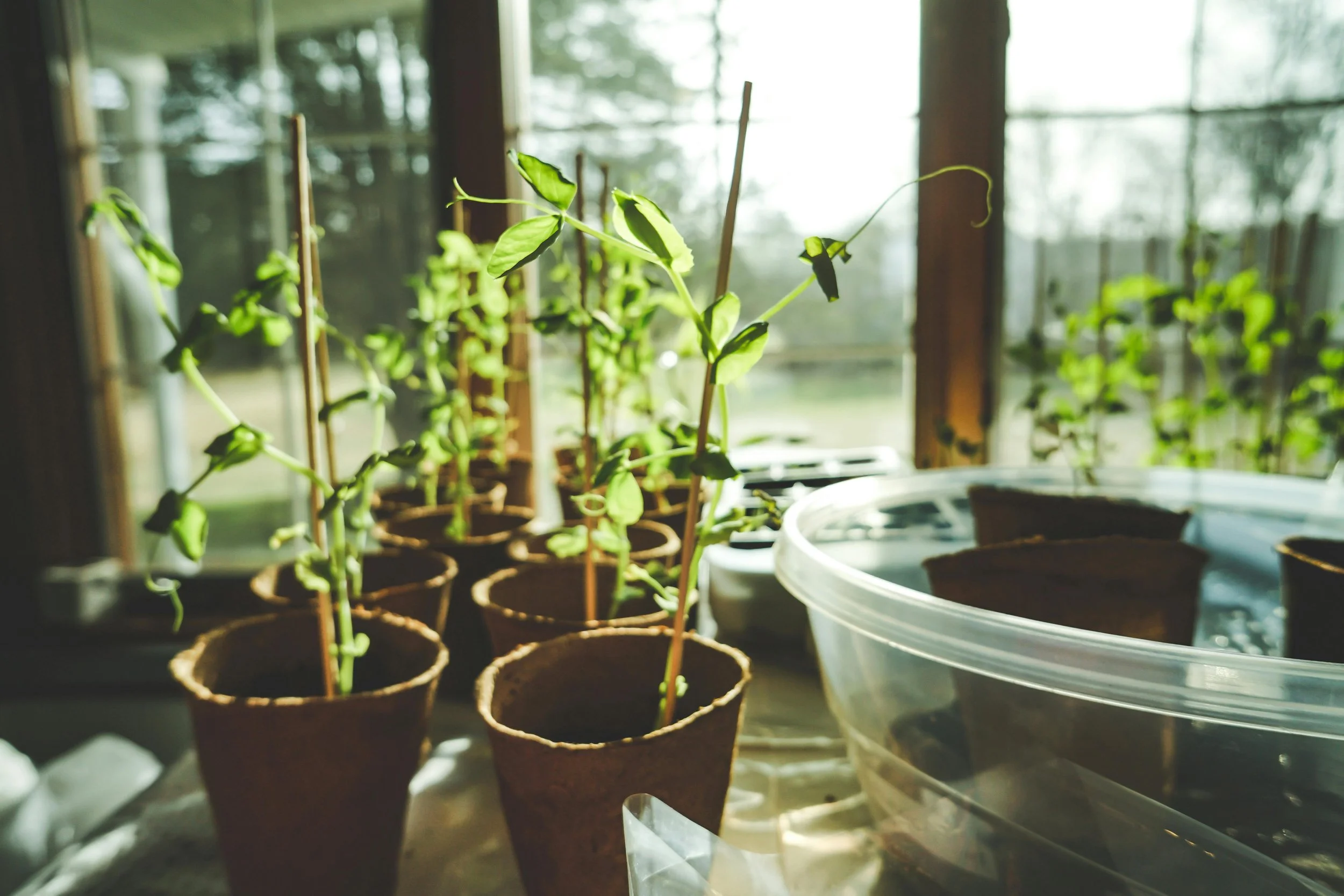
Even without grow lights, you can produce microgreens in windowsills throughout winter. Pea shoots, sunflower sprouts, beetroot sprouts, mung beans, basil and radish sprouts all grow happily with just the available natural light—a wonderful way to bring some green into those dark months and add fresh flavour to winter meals.
December is also prime time for planning and ordering the seeds you couldn’t save last season. The best varieties sell out quickly, so don't wait until February to browse the catalogues. I keep a garden journal where I note what worked well (and what didn't) each year—invaluable when deciding what to grow next.
In milder parts of zone H6, you can begin winter sowing outdoors in late December if temperatures are stable. But here's an important warning: if seeds are sown too early—say, November or December in an unstable climate—a mild spell can trick them into germinating. Then when the real cold of January and February arrives, those young sprouts won't survive. Patience pays off. I personally wait until late December or January.
II. What you can grow in January
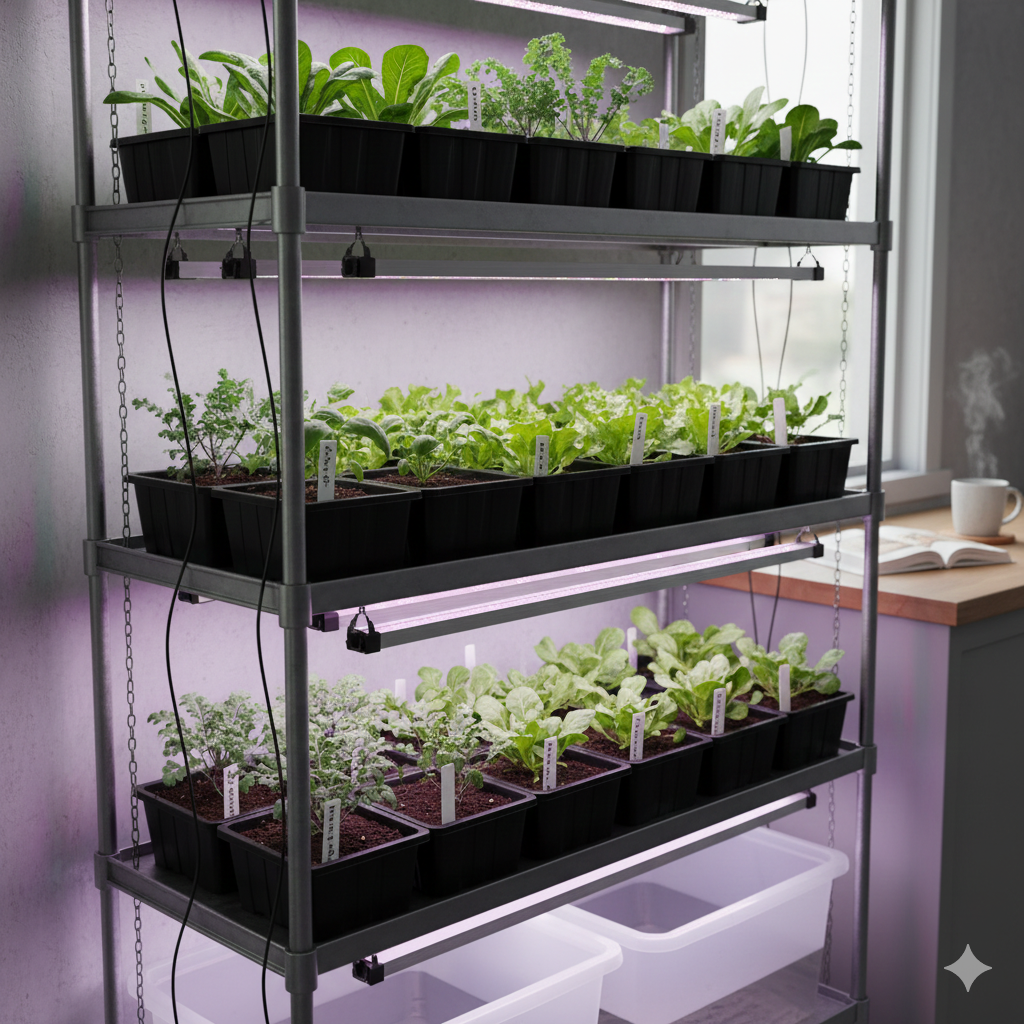
January is when indoor growing begins in earnest, but there's a catch—window light simply isn't sufficient at this time of year. Any seeds started indoors in January or February absolutely need grow lights to develop into healthy, stocky seedlings rather than pale, leggy disappointments.
Continue or start your onions and leeks if you didn't get to them in December. This is also the month to sow chili, peppers, and aubergine—all slow developers that need a long runway before our growing season begins.
For summer flowers that you want blooming early, January is the time for lobelia, pelargonium, snapdragon, begonia and petunia. These take their time to reach transplanting size, and an early start means earlier colour in your garden.
Winter sowing outdoors comes into its own from January through March. The beauty of this method is that plants grown outdoors become hardier than indoor-raised seedlings, and they won't need the gradual hardening-off process that indoor plants require before transplanting. Seeds are sown in protected plastic containers and left outside to experience natural temperature fluctuations.
The rule of thumb is that all seeds which easily self-sow and need a cold period to germinate are good candidates. For flowers, try cosmos, snapdragon, asters, tagetes, cornflower, marigold, foxglove, California poppy, oriental poppy, and peony poppy. Edibles that work well include spinach, parsley, parsley root, lettuce, summer carrot, dill, rocket, cabbage, radish, and sugar snap peas. Source: Penn State Extension
III. What you can grow in February
February is when things really pick up. The days are noticeably longer, and there's a sense of anticipation in the air—spring may still be months away, but the growing year is properly underway.
This is the ideal time to sow tomatoes and artichoke indoors. You can also continue with early summer flowers like petunia and lobelia if you didn't start them last month. Plants that need a long growing time—chili, peppers, aubergine, tomatoes, petunia, pelargonium—should all be underway by now.
Root celery and stalk celery deserve special attention. They're notoriously slow to germinate and grow, and they need light to germinate—so sow them on the soil surface, cover with transparent plastic, place in bright light, and keep them not too warm. Many gardeners give up on celery because they don't give it enough time.
February is also a good month to sow herb seeds like basil, coriander, and parsley indoors. Fresh herbs are one of the simplest pleasures of growing your own, and starting them now means established plants by the time you can transplant outdoors.
Potatoes: Start chitting in late February. Place your seed potatoes in egg cartons or trays with the eyes facing up, in a cool bright spot but not in direct sun. You're looking for short, sturdy sprouts—if they grow long and white, they're not getting enough light. The process takes about 4-6 weeks, so starting now means they'll be ready for planting when the soil warms. Source: Suttons Gardening
Winter sowing outdoors continues—lettuce, spinach, carrots, perennials, herbs, and cabbage plants all do well started this way.
IV. What you can grow in March
March is tomato month. I always sow tomatoes now, and here's something I've learned over the years: there isn't a huge difference in harvest timing whether you sow on 1 March or 31 March. The big growth spurt happens anyway when plants are moved out into sun and warmth, so don't panic if you're running a bit late. BUT – I try to get my tomatoes quite big, so I can take them out in the greenhouse in April. Some will say, that’s too early, but even though there can still be a bit frost, I just cover them during the night. My experience told me that you will get really sturdy and healthy plants.
One thing I've learned the hard way is not to start too early with plants that grow quickly. If it's still cold outside and your plants get too big indoors, you have a real problem—nowhere to put them, and stressed, leggy seedlings that struggle when finally transplanted. Better to start a bit later with fast growers and have sturdy, manageable plants.
March is also the time for celery (if you didn't start in February), watermelon, leek, corn, kohlrabi, swede, pointed cabbage, kale, black cabbage, and dill. For summer flowers that you want blooming correspondingly early, sow snapdragon, summer asters, zinnia, and cosmos now.
Potatoes: Continue chitting—your sprouts should be 1-2cm long and sturdy by now. If they're getting too long, move them somewhere cooler and brighter. Healthy chitted potatoes will have short, dark green or purple sprouts, not long pale ones.
If you've been winter sowing in plastic containers, check on your seeds now. Seeds in protected containers germinate faster than those in open ground because it's warmer in the sheltered environment. Plants grown this way outdoors adapt beautifully to temperature fluctuations and increasing spring light—they become strong, hardy plants that don't need the carrying in and out that indoor seedlings require.
V. What you can grow in April
April brings a welcome change—from now on, there's enough natural light in windowsills that you no longer need grow lights for seed starting. The days are lengthening rapidly, and everything feels more hopeful.
This is the month for lettuce, squash, fennel, chard, pumpkin, spring onion, cucumber, sugar snap peas, nasturtium, and sweet pea. Cucumber can wait until April or even May—there's no advantage to starting it too early.
Some plants, especially flowers like sunflowers and marigolds, I pre-grow in the greenhouse rather than indoors. They seem to prefer the cooler, brighter conditions and develop into sturdier plants. If you have a greenhouse or cold frame, experiment with starting some things there rather than on windowsills. The less you need to transplant from inside to outside the better.
Direct sowing outdoors begins now. This includes root vegetables like carrots, beetroot, parsnip, and turnips. You can also sow peas, sugar snaps, and other legumes directly where they'll grow. For flower lovers, this is the time to sow sunflowers and marigolds directly in beds.
Potatoes can be planted outdoors from late April in milder areas of zone H6, once the soil has warmed a bit. Plant them 10-15 cm deep and about 30 cm apart. In colder spots, wait until May.
In zone H6, be prepared to protect early sowings with fleece if late frosts threaten. I keep a roll of fleece handy throughout April and May (last year even June!)—it's saved many a crop from an unexpected cold snap. Additionally, I also cover them with straw. It not only protects them from late frost, but also keeps weeds down.
My experience shows that it's fine to put tomatoes in the greenhouse in April, even if there might be a bit of frost. Just cover them at night with fleece, bubble wrap or old sheets, and they'll be really sturdy. The cooler greenhouse temperatures actually help them develop strong stems rather than the spindly growth you get from warm windowsills.
VI. What you can grow in May
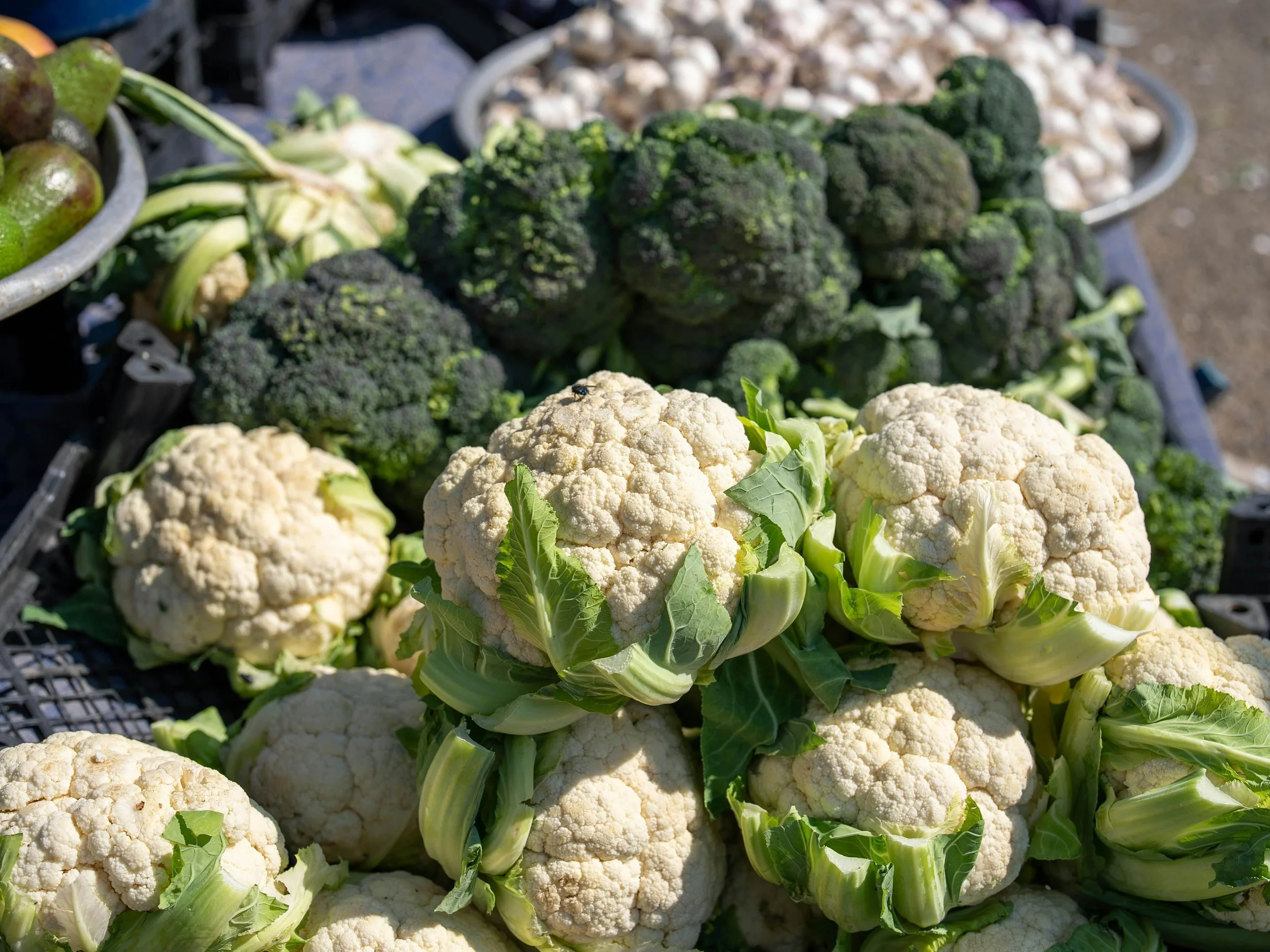
Broccoli and cauliflower—this is important. In zone H6, my experience shows it's best to wait until May to start these. If you start them too early, the summer warmth that arrives in June and July can cause them to bolt (flower prematurely) before you get a proper harvest. The ideal scenario is to have them ready for harvest in August or September, after the hottest period has passed.
Potatoes: In colder parts of zone H6, plant outdoors in early to mid-May once the soil temperature reaches at least 7-8°C. Your chitted potatoes should have nice sturdy sprouts by now—handle them carefully when planting so as not to break them off.
Most pre-grown seedlings can be planted out once the risk of frost has passed—typically late May to early June in zone H6. This is also the time for direct sowing of beans and succession plantings of lettuce. Warm-season crops like tomatoes, cucumbers, and peppers go into the greenhouse now if they haven't already.
VII. Winter Sowing: A Smart Method for Cold Climates
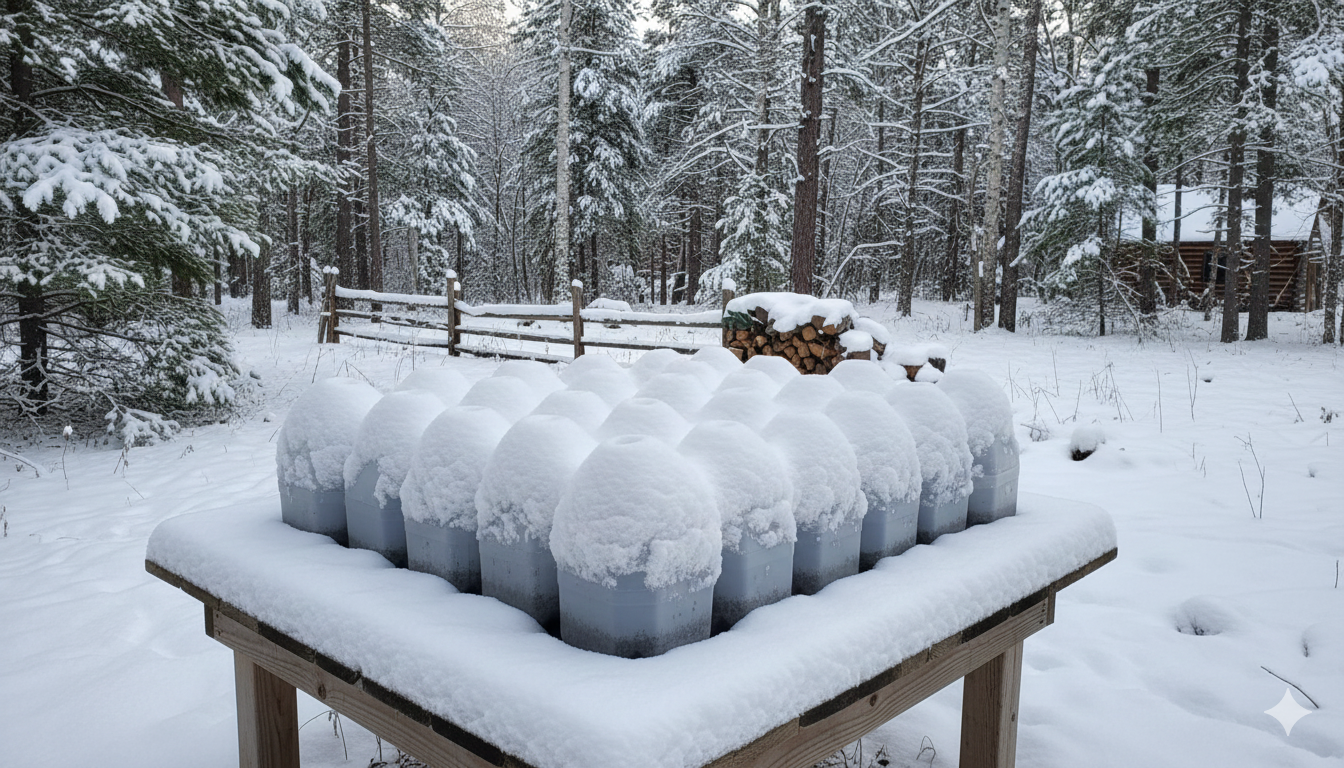
Winter sowing is particularly valuable in zone H6 and similar cold climates. It allows you to get a head start on the short growing season without taking up precious indoor space under grow lights—and the plants you produce are naturally hardy and don't require hardening off.
All you need are plastic boxes with lids (old jam containers work perfectly), soil, and seeds. Make at least ten small holes in the bottom for drainage and in the lid for ventilation. Fill the boxes with about ten centimetres of soil, water thoroughly, and sprinkle your seeds over the surface.
Important: the box must be placed in shade, not sun. The seeds should germinate when the outdoor temperature is naturally suitable—if the box is in a warm, sunny spot, it creates an unwanted greenhouse effect where plants grow too early and then struggle when temperatures drop again.
Winter sowing is done between winter solstice and last spring frost, most commonly January to March. It works beautifully for hardy annuals and perennials that naturally self-sow. The freeze-thaw cycles of winter break down seed dormancy naturally, and seedlings emerge when conditions are right for them.
Some plants aren't suitable for winter sowing: warm-loving plants like chili, peppers, and aubergine have too long a development time and need consistent warmth. Cucumber is also best sown indoors where you can control conditions.
One advantage of winter sowing is that you can grow a large number of plants this way. This can be particularly helpful for those of us who battle brown slugs in the garden—if you lose some seedlings to slugs, you have plenty of backup. Source: Savvy Gardening
Quick Summary of When to Start Seeds Indoors
December
Indoors: Onions, leeks (around Christmas), microgreens, planning
Winter Sowing Outdoors: Can start late December if temperatures are stable
January
Indoors: Chili, peppers, aubergine, asparagus, slow flowers (lobelia, petunia, pelargonium, begonia)
Winter Sowing Outdoors: Spinach, lettuce, cabbage, carrots, radish, dill, many summer flowers
February
Indoors: Tomatoes, celery, herbs (basil, parsley, coriander…), potatoes (start chitting)
Winter Sowing Outdoors: Continue winter sowing
March
Indoors: Tomatoes, corn, kohlrabi, kale, summer flowers, potatoes (continue chitting)
Winter Sowing Outdoors: Check on winter sown seeds
April
Indoors: Cucumber, squash, pumpkin, lettuce, beans
Sowing Outdoors: Direct sowing begins; potatoes outdoors (milder areas), transplant winter sawn plants, direct sowing flowers like calendula
May
Indoors: Broccoli, cauliflower (to avoid bolting in summer heat)
Outdoors: Planting out begins (late May/early June); potatoes outdoors
Plants For the Greenhouse
Tomatoes, cucumbers, peppers, chili, and aubergine—these heat-loving plants need the protection a greenhouse provides in zone H6. Without it, they'd struggle to produce a worthwhile harvest in our short summer.
Plants For Outdoor Beds
Potatoes, cabbage varieties, leeks, onions, celery, lettuce, beans, peas, and corn all do well in outdoor beds. For summer flowers, sunflowers, marigolds, cornflowers, summer asters, zinnia, and snapdragon are reliable choices that brighten up any garden.
Zone H6/H7 Considerations When Starting Seeds Indoors
Living in zone H6/H7 means working with certain realities: our last frost typically occurs late May to early June, and our growing season is shorter than in coastal areas. But these limitations become opportunities when we plan well. Pre-growing gives us crucial extra weeks that make all the difference, and our stable cold winters actually make winter sowing particularly effective—seeds get a proper cold treatment without the confusing mild spells that plague more temperate regions.
Choose early-maturing varieties when possible. A greenhouse or polytunnel significantly extends what you can grow—if you're serious about growing in a cold climate, some form of protection for tender crops is worth the investment. And remember, every year teaches us something new. Keep notes, be willing to experiment, and don't be discouraged by the failures—they're how we learn.
