
Free-Range Chickens vs. Enclosed Chicken run: Which Is Better?
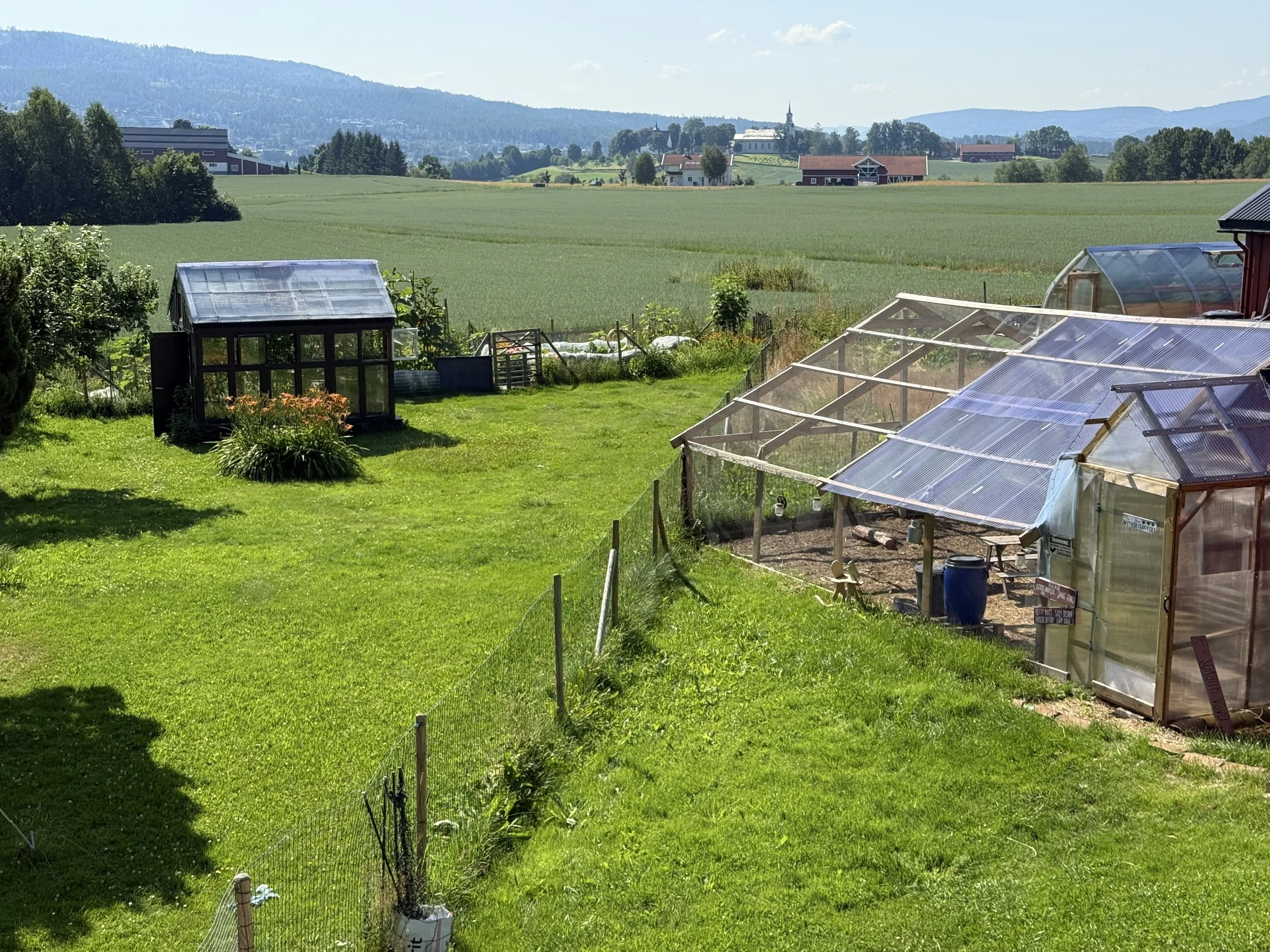
There I was, standing at the coop door at 6 am, coffee going cold in my hand, watching my enclosed chickens pecking contentedly at their morning feed. Three years ago, I'd have been out here with a sick feeling in my stomach, counting heads and looking for feathers. You see, I started with the same romantic free-range dream you probably have—chickens wandering pastoral meadows like something from a children's book. That dream died somewhere between finding Lady Gaga's feathers scattered across the lawn and having blood mites twice a year (which are REALLY hard to get rid of!).
Let me save you some expensive lessons and dead chickens. Free-range looks brilliant on Instagram, but reality has sharp teeth and wings. After four years, too many losses, and the threat of an avian flu lockdown, I've learned that your chickens genuinely don't care about our romantic ideals. They care about food, safety, enrichment, and somewhere dry to dust bathe.
So let's have an honest chat about both options—the genuine pros and cons, not the glossy magazine version. Spoiler alert: enclosed runs (possibly with a chicken tractor for the best of both worlds) usually win. But I'll show you both sides, complete with the stinky, feathery truth.
What does free-ranging actually mean?
My chickens have a large enclosure in front of their coop with a transparent roof. Does this mean they are caged? Of course not! There's a lot in between. If you look at the commercial definition of free-range, not a single chicken is running around as it pleases. They are also somehow in an enclosure.
The differences are whether chickens have access to fresh grass, how much outside space they have, and how the enclosure looks. You can have the best from both options if you add a mobile chicken tractor, for example. The run will be worked and muddy after the first season – usually, no single grass will grow there anymore. Then it's not that ideal anymore – but still alright for you chickens.
Before we get too much into the details, let's have a closer look at the pros and cons of free-ranging and enclosed chickens.
1. The Pros of Free-ranging Chickens
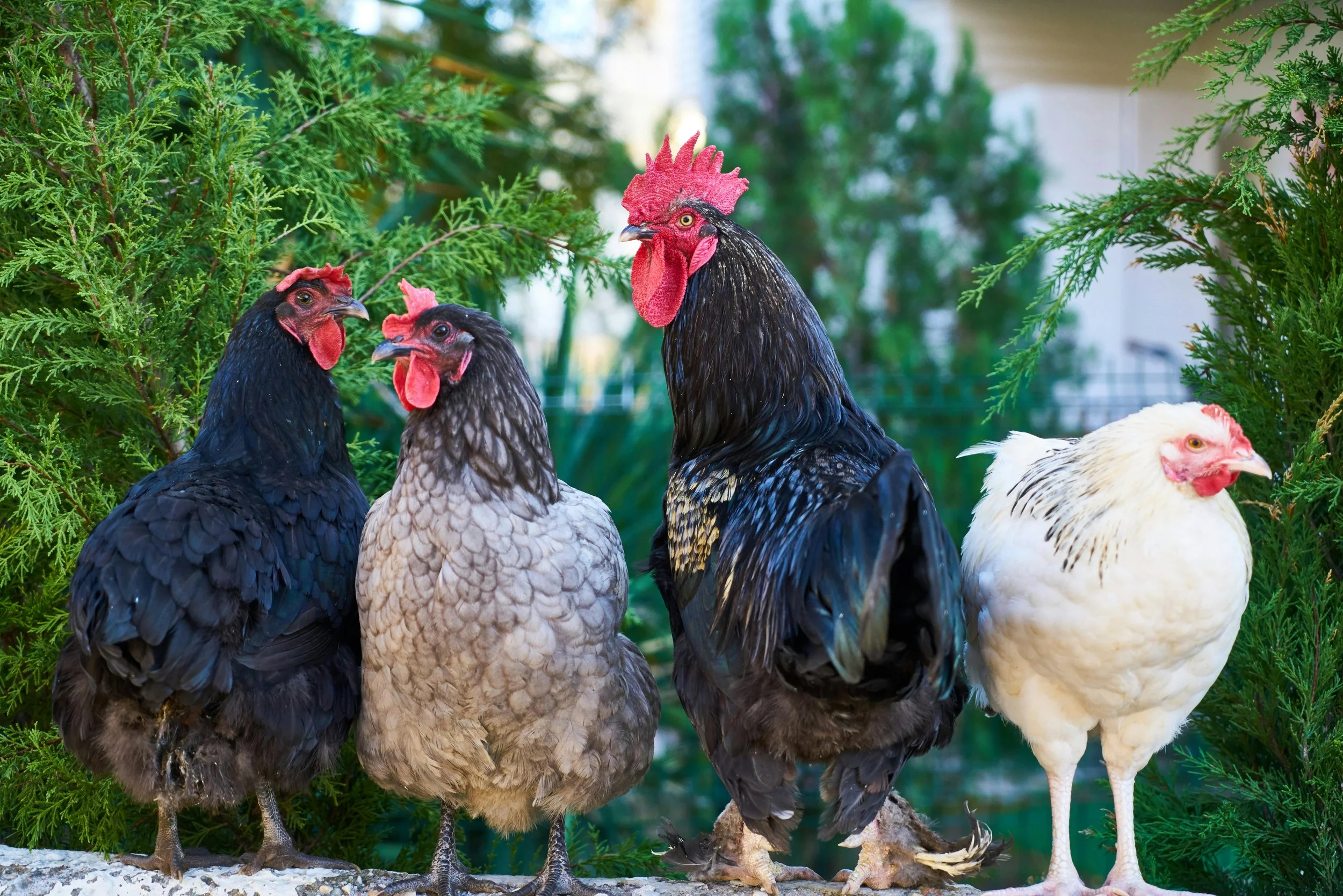
Free-ranging your chickens has many pros. I still wish I could let them roam around freely. But for every pro, there are two cons – unfortunately.
1.1 Feed Costs Drop 30-50%
Your chickens become self-employed foragers, and they're bloody good at it. Mine turned into professional slug hunters—watching six hens systematically demolish a locust plague like tiny, feathered velociraptors was better than any nature documentary. One chicken can hoover up 200 slugs per week. That's 200 fewer slugs eating your veggies, and trust me, chickens are far more entertaining pest controllers than any chemical spray. Plus, they also keep the area free of ticks! Especially nice if you have other animals like dogs.
1.2 Free Fertiliser Everywhere
Your lawn becomes naturally fertilised, though you'll develop a sixth sense for checking your shoes before entering the house. There's zero coop smell because they're barely in it except to sleep and lay eggs.
1.3 Less Run Maintenance and Mud Management
With free-ranging, you altogether avoid the nightmare of a destroyed, muddy run that turns into a swamp every time it rains. No need to constantly add wood chips, move things around, or deal with that awful smell when organic matter starts breaking down in one concentrated area. The chickens naturally rotate themselves around your property instead of turning one spot into a moonscape. You'll never stand in ankle-deep mud trying to refill feeders while chickens look at you accusingly from their one dry corner.
1.4 They Actually Work Your Entire Property
Free-range chickens become unpaid farm workers, cleaning up fallen fruit before it rots and attracts wasps, scratching through leaf litter to break it down faster, and systematically working through your compost pile edges. Mine used to patrol under the apple trees like a cleanup crew, and they'd naturally turn over the mulch in garden beds (after harvest, when I let them). They find their own grit from various spots, discover hidden slug eggs you'd never find, and basically provide light cultivation wherever they go - not just in one designated area.
2. The Cons of Free-ranging Chickens
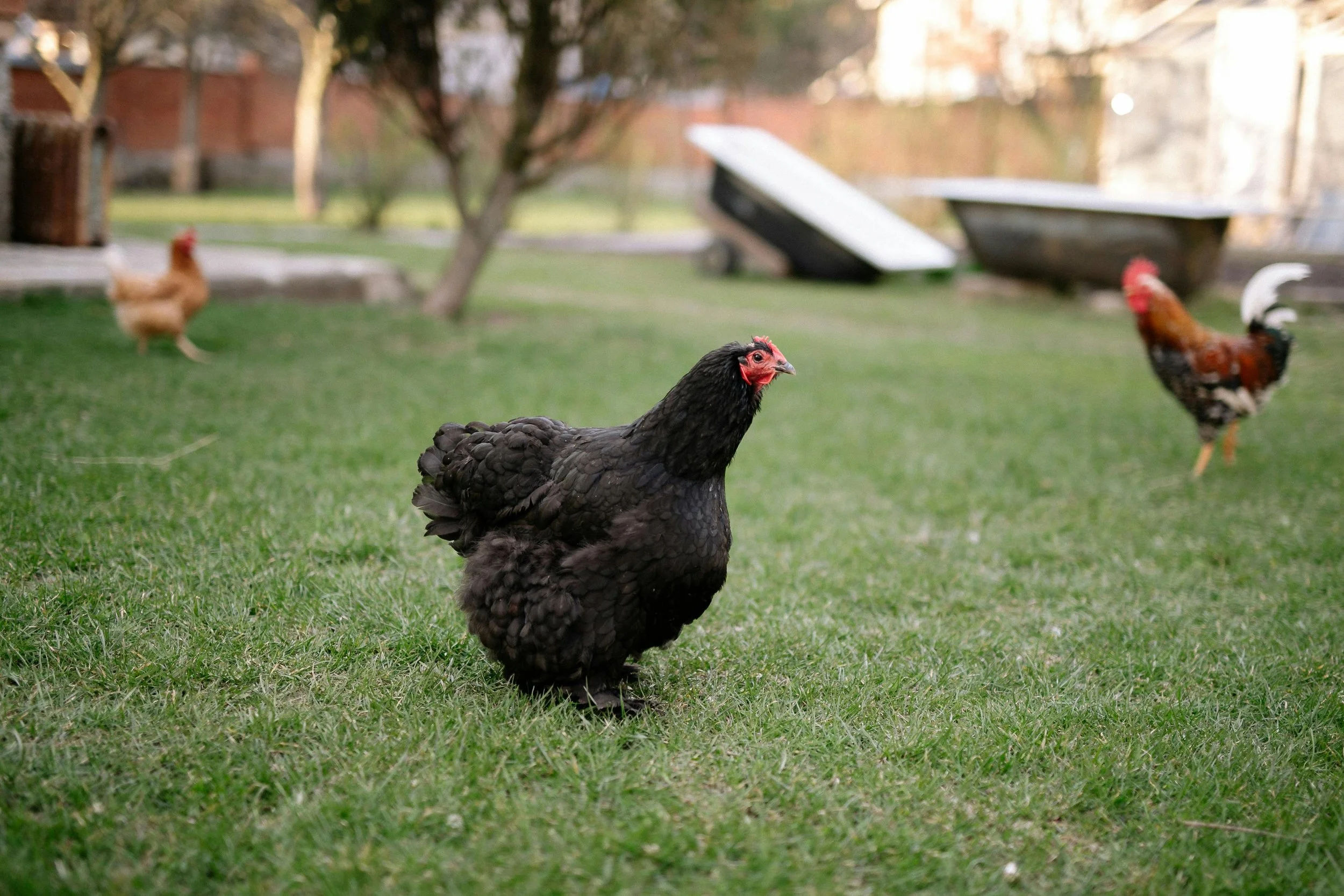
As mentioned before, for every pro, there are unfortunately two cons for free-ranging chickens.
2.1 Predator Losses
Foxes don't just hunt at dawn and dusk like the books say. And once they have found a yummy food source, they will keep coming back until none of your chickens are left. Hawks see your chickens as a convenient buffet with a "Free Food" sign. Replacing them gets expensive fast when you're buying your third "starter flock" in two years. Not to mention the emotional loss if you lose your favourite ones.
2.2 Disease Exposure From Wild Birds
Wild birds bring gifts—mites, lice, respiratory diseases, and worse. And every year, there are avian flu scares. We've been lucky here; it hasn't spread into our region yet, but if there's a lockdown, you don't have an outdoor space for your feathery friends. You need a tight fence and a roof to let them out during curfew.
2.3 Wild Birds Stealing Food and Eggs
Magpies are a pest here in Norway. They'll eat more than your chickens do – and everything. When my chickens ree-ranged, I wondered how much quite small birds can eat. But especially in winter, I soon found out where it all goes: to the wild birds. They invaded the chicken feeder. "Just place it inside the coop," was the advice I got. Thank you for that, because then they just went in and while there, they also ate the eggs! My feed bill actually doubled – so no savings on free-ranging.
2.4 Daily Anxiety and Obsessive Counting
You'll become obsessed with counting chickens. "Where's Jolene? Has anyone seen Jolene? Oh no, is that a feather?" Every unusual sound sends you racing outside. That peaceful morning coffee? Replaced by frantic head counts and feather inspections.
2.5 Complete Garden Destruction
Chickens have GPS systems specifically calibrated to locate your favourite plants and to go where they shouldn't. Just sprouted peas? Excavated. Newly planted strawberries? Distributed across the lawn. That lovely flower border? Now, a series of dust bath craters. My chickens once uprooted an entire row of beans I'd been nurturing for weeks, then dared to look offended when I shooed them away. You have the choice.
2.6 Hidden Eggs and Poop Everywhere
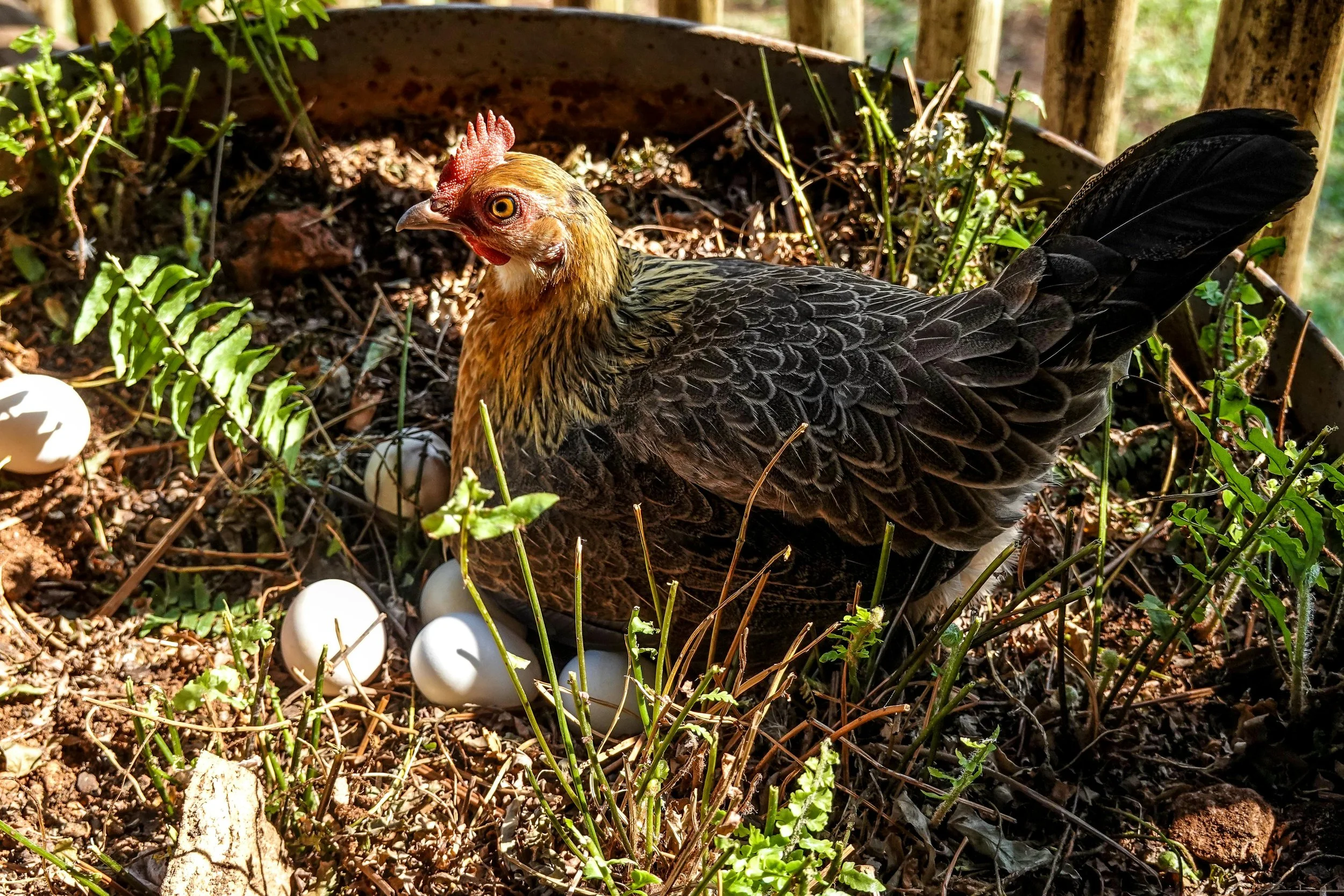
Finding 20 rotten eggs in August heat behind the compost bin is an experience that haunts you. The smell. Oh dear, the smell! Good luck with finding all your eggs - be prepared for a daily egg hunt! And poop appears everywhere—doorstep, car bonnet, dog toys, that chair you forgot outside.
2.7 Actually MORE Expensive Long-Term
Lost birds, pets, extra feed for wildlife, emergency coops for disease outbreaks, and apology gifts for neighbours whose gardens have been "renovated" by your flock. Accept that the romance dies when you're buying your third replacement flock.
3. The Pros of an Enclosed Chicken Run
When we talk about an enclosed chicken run, we're not talking about a room without daylight. We are talking about a fenced-in area in front of or around the coop, with some roof – so no animal can get out or in (well, anything bigger than a mouse).
1.1 Peace of mind
The ability to know if that noise was a fox or just the wind is worth its weight in golden eggs. Zero predator losses when appropriately built—and by properly, I mean fencing, like hardware cloth that also covers the sides of the enclosure. Either by digging it down or lying on the ground outside the enclosure.
1.2 Chicken Tractor Option: Best of Both Worlds
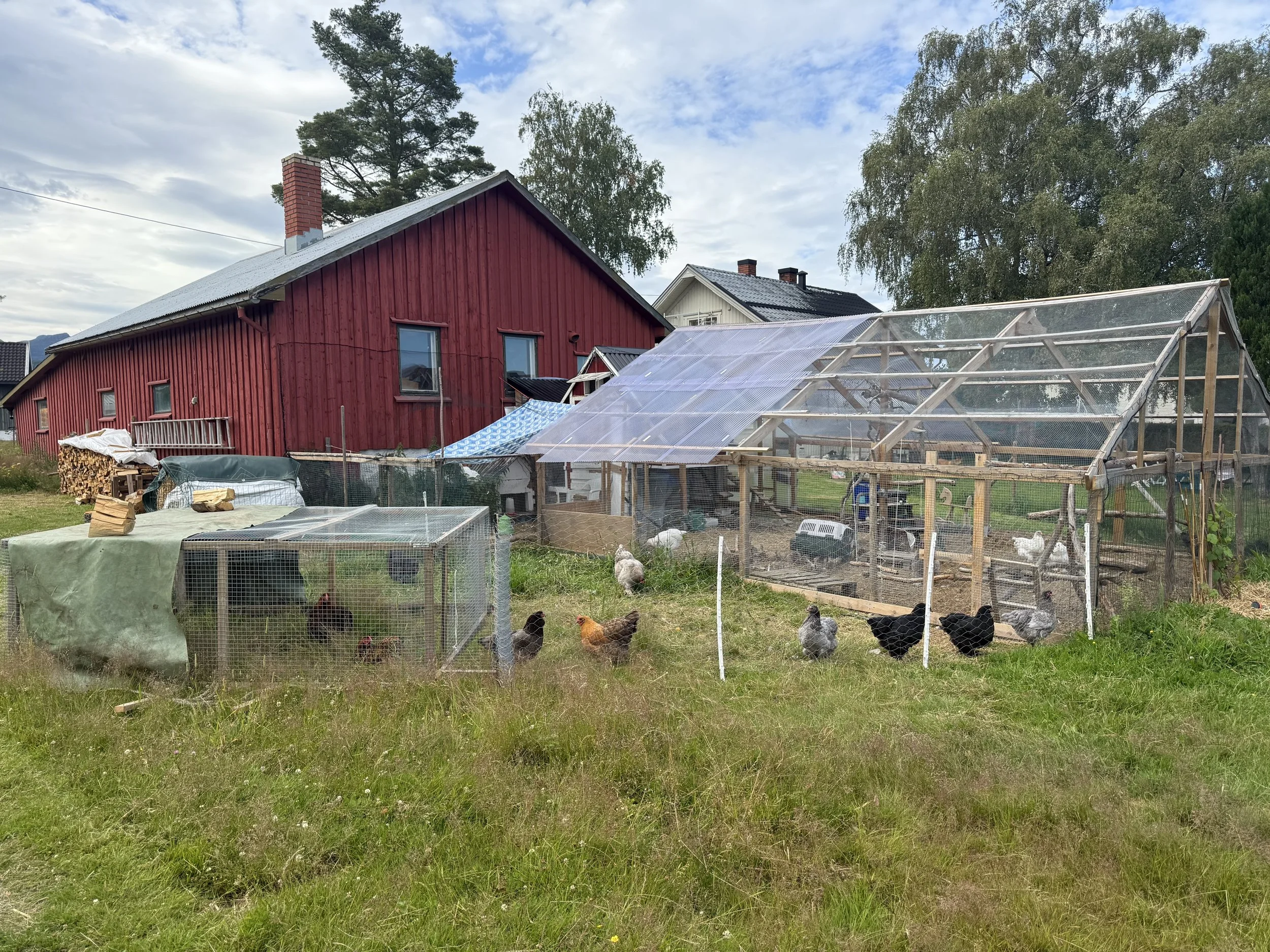
This changed everything for me. It's basically a movable run that gives your birds fresh ground daily without the risks. Mine's built from recycled materials. You can also use an old trampoline frame and some hardware cloth. Costs nearly nothing, and you have everything under control: the chickens get fresh grass and bugs, I get fertilised lawn sections without destruction in parts I don't want them, and foxes get disappointment. THIS really saves money (and mowing!)
1.3 Always Know Where Every Chicken Is
No more panic when you can't find Tina Turner (she's not under a bush laying secret eggs, she's right there in the run). Your garden stays intact—vegetables actually grow to maturity. Revolutionary! You can still scoop the poop and distribute where you need it.
1.4 Ready for Avian Flu Lockdowns
During a curfew, my chickens can officially stay outside as usual. Nothing changes for us.
1.5 No Wild Birds Stealing Feed
I actually feel a bit bad because I don't have as many wild birds around the coop anymore. It was also fun to watch them. But it wasn't fun to buy them expensive food. I left it to the neighbors to feed them.
1.6 Easier Health Monitoring and Catching
Need to catch a chicken for a vet visit? They're right there, not hiding under the hedge at the garden's far end. You can spot problems immediately—who's not eating, who's limping, who's being bullied.
1.7 No Pests From Wild Birds
I had blood mites twice, and they are a pain to get rid of. I swear on organic growing and chicken keeping, but the second time, I gave in. I had to give them medicine. VERY expensive medicine! The chickens are healthy now, and I save money – again.
2. The Cons of an Enclosed Chicken Run
Of course, an enclosure also has cons. But you might find a solution for them or a middle ground.
2.1 Higher Feed Costs (Without a Chicken Tractor)
You're buying all their food now, not supplementing what they forage. If you don't have an additional mobile chicken enclosure (chicken tractor), your feed costs will rise significantly.
2.2 Mud run
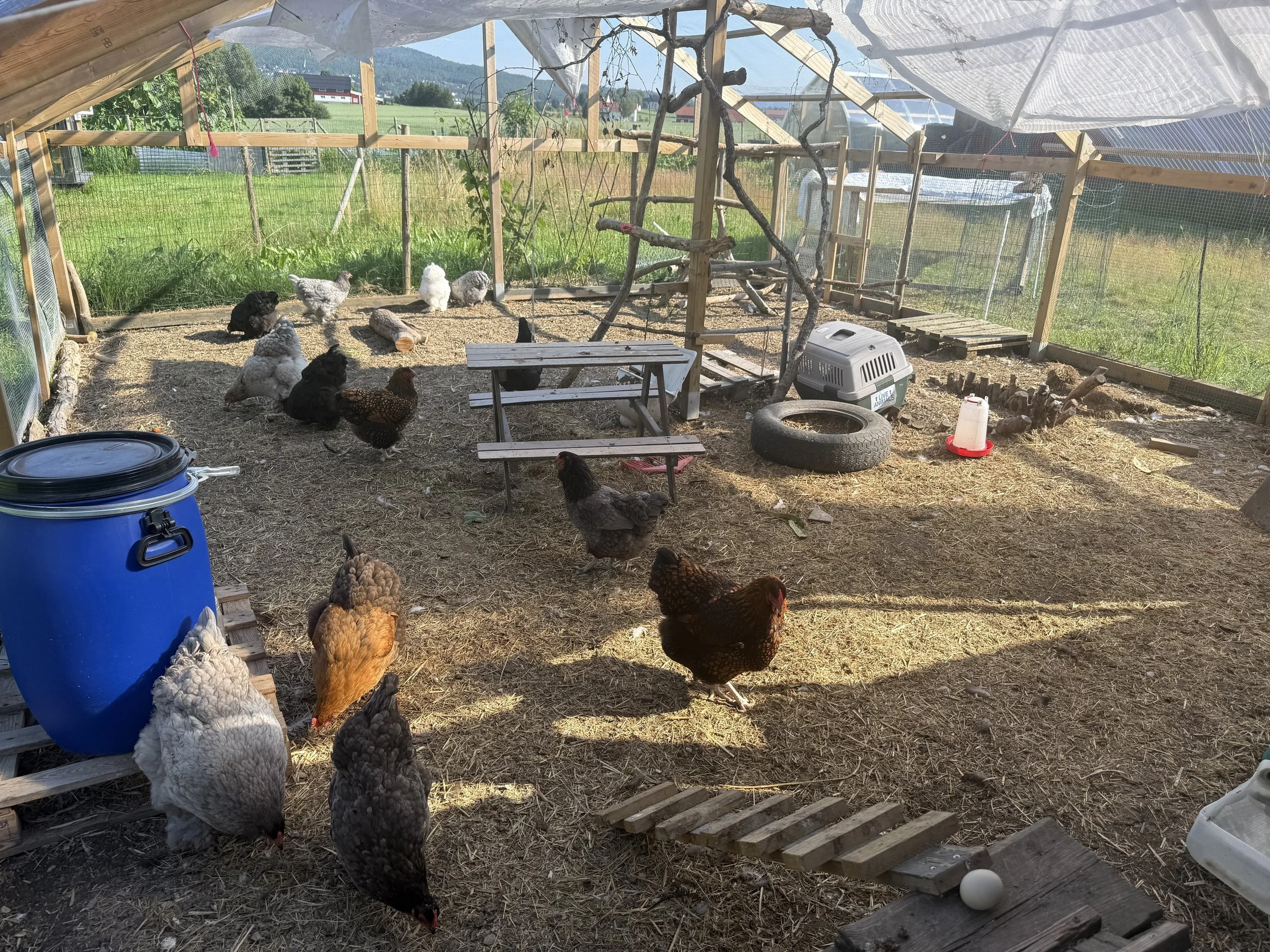
Especially in wet weather. The deep litter method helps, but you're still shovelling chicken poop regularly. After rain, parts of my run turn into a muddy wrestling pit that would make tough mudder competitors weep.
2.3 Initial Setup Costs
Even with recycled materials, my "free" recycled run still needed hardware cloth (expensive), hinges (add up quickly), and roofing (unless you enjoy swimming pools for chickens). I spent more on run improvements in the first year than I'd spent on feed in three years.
Tips: Add enrichment consistently—branches, hanging treats, dust-bath areas. Use the deep litter method for smell. Build bigger than the minimum requirements. Rotate access areas if possible.
The Takeaway
Free-range sounds romantic until you're buying your third replacement flock and they have destroyed your garden. I learned this the expensive way—through dead chickens, destroyed veggies, and one memorable afternoon spent chasing after my entire flock in the neighborhood.
Enclosed runs, especially with a chicken tractor for variety, give you peace of mind that's worth more than any Instagram-worthy free-range photos. The hidden costs of free-range—replacement birds, wild bird theft (doubling your feed costs), pests from wild birds—add up fast. A good enclosed setup is cheaper in the long run than constantly replacing free-range losses. Three replacement chicken flocks cost more than decent hardware cloth for a proper run.
