
Growing and Foraging Medicinal Plants and How to Use Them
Safety Disclaimer: This article shares traditional plant knowledge and personal experience. Always research thoroughly, consult healthcare providers for serious conditions, and properly identify plants before use.
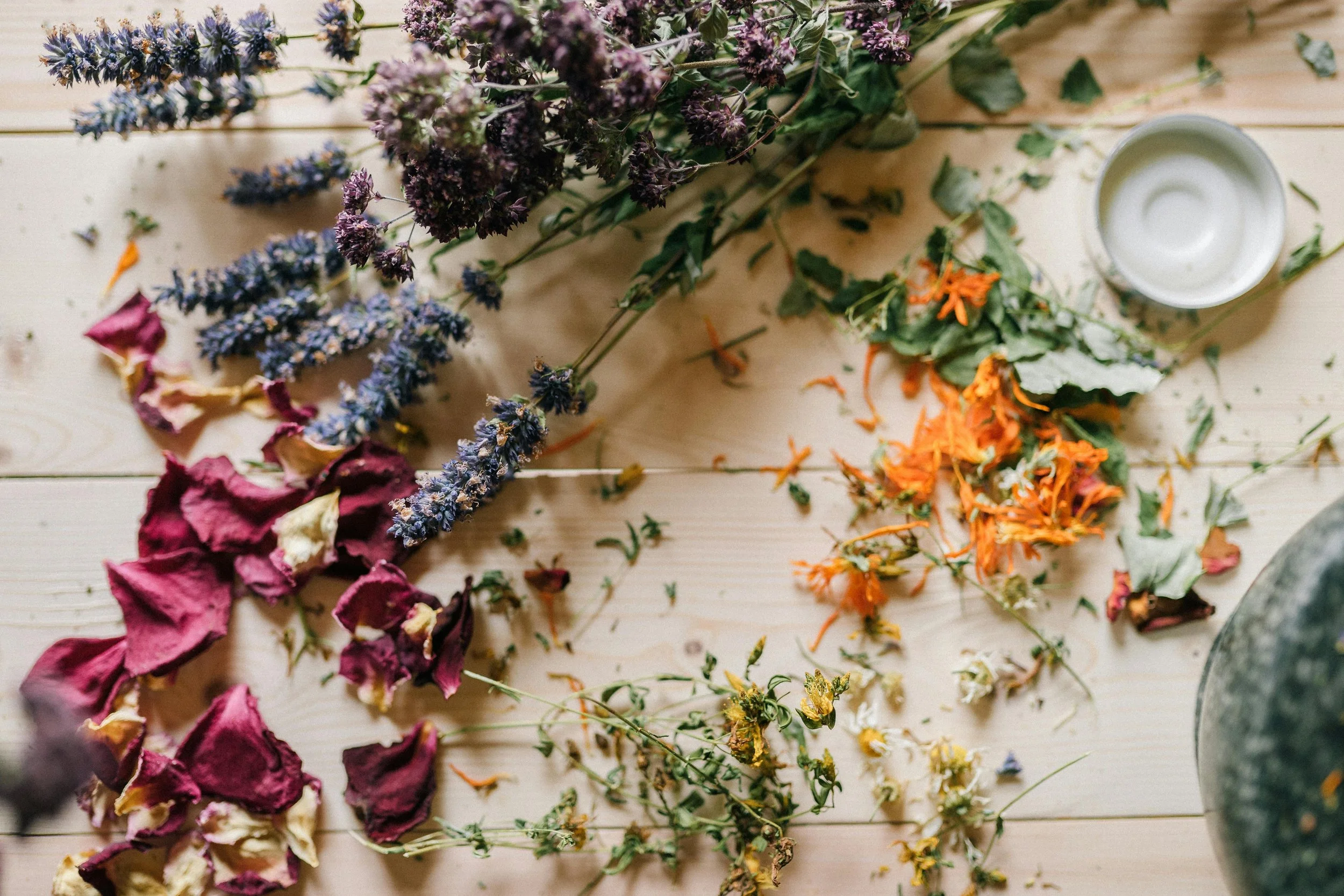
Modern medicine treats symptoms, not causes. Somewhere between our grandmothers' generation and ours, we forgot that real medicine grows in the garden and wild meadows. We've become so dependent on pharmaceuticals for every minor ailment that traditional plant knowledge disappeared in just two generations. And instead of using what we have right in front of us, we use chemicals to get rid of those “weeds”.
The Norwegian climate is perfect for many medicinal plants, and all you need it just a bit of education. Growing and foraging your own medicine connects you to the earth in ways that transform how you see the land around you. These plants are free or nearly free, giving you genuine sovereignty from the pharmaceutical industry. Start small, learn as you go, and build your natural medicine cabinet one plant at a time. Always have backup plants and multiple methods—that's how you create real resilience.
I. Growing Medicinal Plants in Your Garden
These plants thrive in Norwegian climate, require minimal care, and provide reliable medicine year after year. Start with what you have—containers, small beds, or corners of your garden.
1. Nasturtium (Tropaeolum majus)
Medicinal Benefits
Respiratory infections
Urinary tract infections
Wound healing
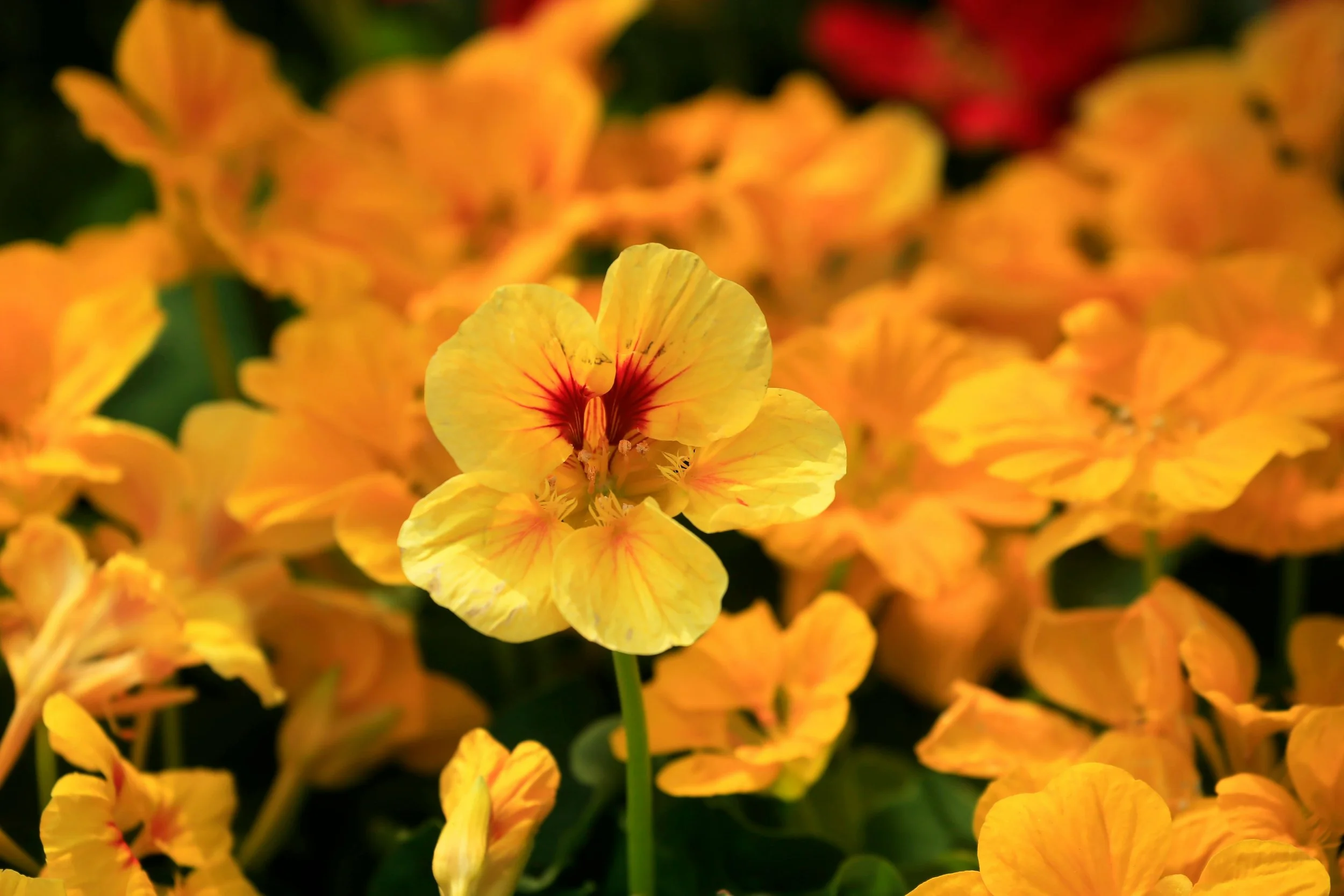
Nasturtium are the natural antibiotic that grows like a weed. This plant is possibly the most underrated medicinal plant you can grow, and it asks almost nothing from you in return. It’s also a perfect companion plant in the vegetable garden, because “pests” like slugs and caterpillars love it. If you plant Nasturtium around your veggies, they won’t eat other plants.
Growing nasturtium couldn't be simpler. Direct sow seeds after the last frost into any soil—they're not fussy. They'll grow in full sun or part shade, though flowering is heavier in sunny spots. They climb if given support or trail if left to their own devices. Within weeks, you'll have both flowers and leaves ready to harvest.
Harvest leaves and flowers throughout the summer whenever you need them. The plants keep producing until frost kills them. In autumn, collect the seeds—they're brilliant pickled like capers, but they're also potent medicine. But don’t forget to save some for next year!
The real magic of nasturtium is its natural antibiotic properties. It contains compounds similar to pharmaceutical antibiotics but without the gut-destroying side effects. Use it for respiratory infections, urinary tract infections, and wound healing. Every time, when that familiar scratchy throat starts, I make fresh nasturtium tea instead. All you need is a handful of leaves and flowers, boiling water, and steep them for ten minutes.
You can also make a vinegar tincture for longer storage, or simply eat everything of the plant raw in salads. The peppery flavour is lovely with soft cheeses. For storage, dry leaves and flowers on screens in a dark, airy space, or make a vinegar tincture by filling a jar with fresh plant material and covering with apple cider vinegar. After four weeks, strain and bottle the liquid. This keeps for years.
2. Calendula (Calendula officinalis)
Medicinal Benefits
Wound healing
Skin inflammation
Minor burns
Eczema
Insect bites
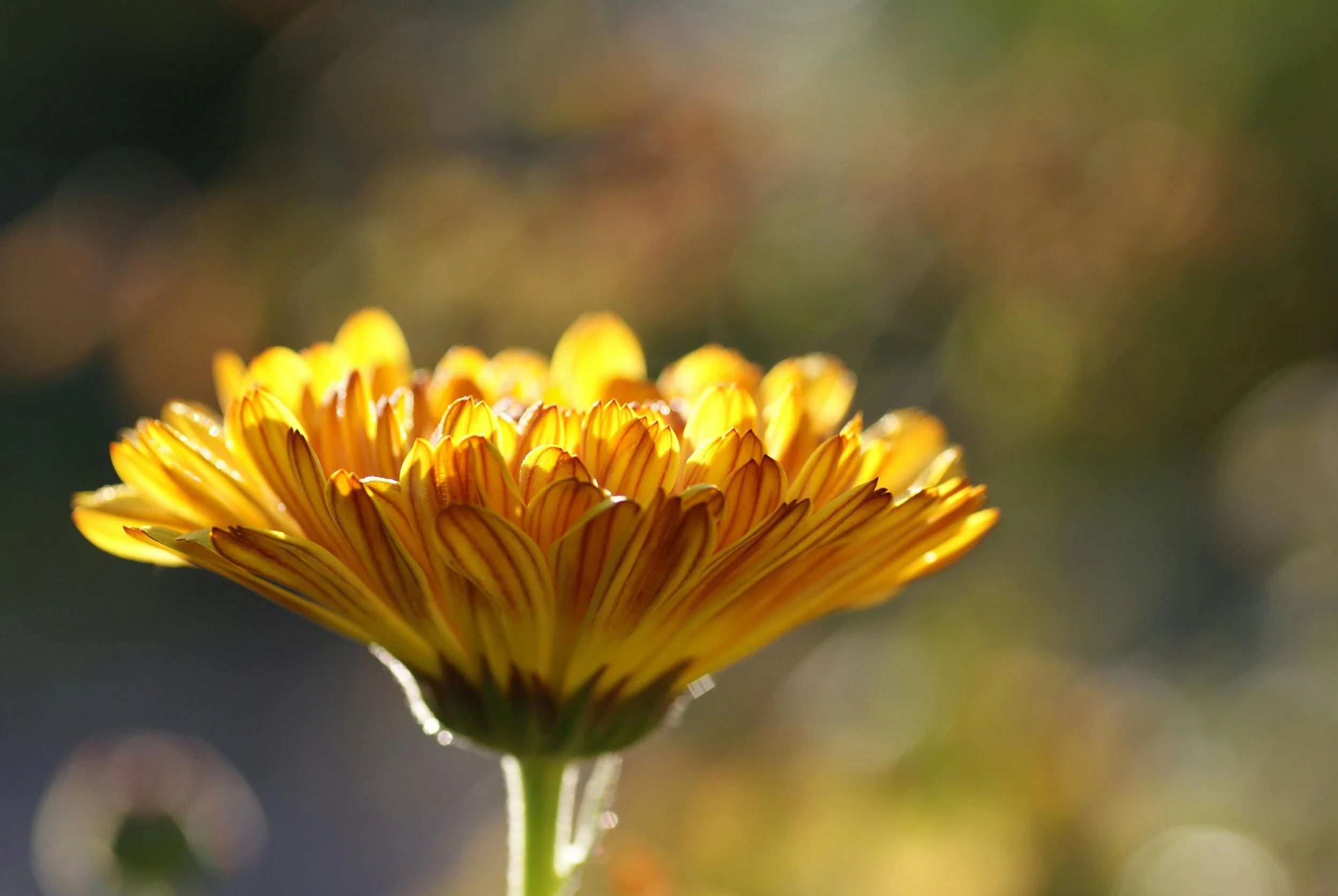
Calendula is skin healer every homestead needs. If you grow only one medicinal plant, make it calendula. Everyone will benefit from it, humans and animals alike.
Sow calendula seeds in early spring directly in the ground or in pots. They self-seed readily, so you'll likely only need to buy seeds once. But just in case, always collect some seeds for next year. If you cut off spent flowers regularly, the plants keep producing new blooms. They'll flower from early summer until hard frost, giving you months of harvests.
Harvest full flower heads on dry mornings after dew has evaporated but before the day heats up. You want the flowers fully open and at their peak. One plant produces dozens of flowers, and you can harvest multiple times per season. Pick regularly to encourage more blooms.
Calendula is the perfect wound healer. It speeds tissue repair, reduces inflammation, and fights infection. Use it for cuts, scrapes, minor burns, eczema, insect bites, and any skin inflammation. I’ve tried to calm the rash from nettles last year, and it stopped stinging right away!
Every first-aid kit should have calendula salve. It's what I reach for before plasters, antiseptic creams, or anything else from the chemist. A tin of calendula salve, a basic oil infusion, or dried flowers in the cupboard mean you're prepared for most minor skin emergencies.
Preparation methods include oil infusion (cover dried flowers with olive oil, leave for 4-6 weeks, strain), salve (infused oil plus beeswax), cream (more complex but wonderful), or tea for internal use or as a wash. The oil and salve are most useful for homestead first aid.
Store dried whole flowers in paper bags in a dark cupboard. They keep their properties for about a year. Infused oil lasts 6-12 months in a cool, dark place. Salve lasts even longer. Here you can read more about how to make Calendula Oil and Calendula Salve.
3. Mint (Mentha species)
Medicinal Benefits
Digestive issues
Nausea
Headaches
Colds
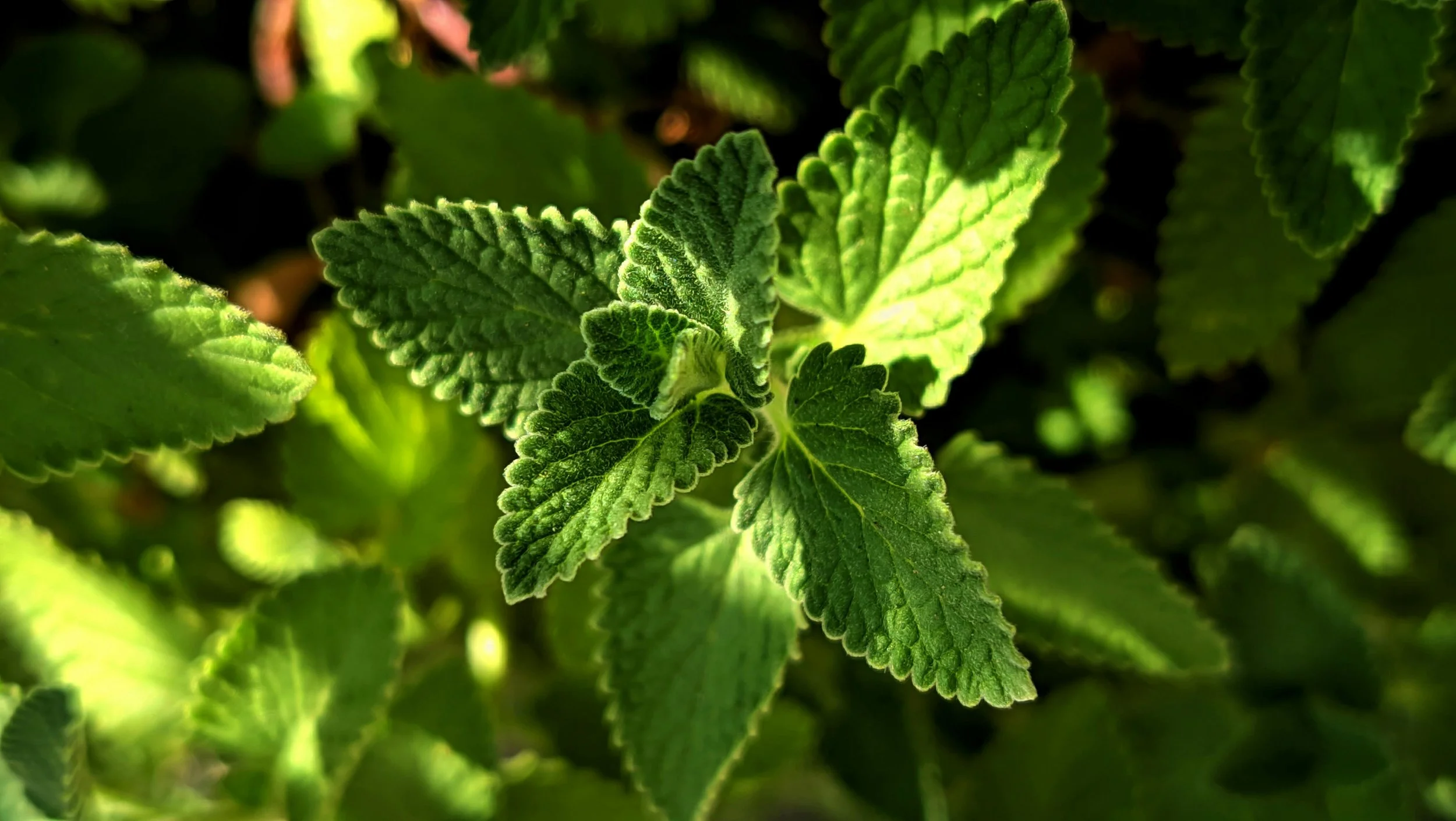
The digestive remedy that never stops growing (be careful where you plant it!). Mint's enthusiastic growth habit is both blessing and curse—contain it, then use it freely.
Grow mint in containers unless you want it to take over your garden. It spreads aggressively through underground runners and will dominate any bed you put it in. In pots, it's perfectly behaved. Any soil works. Part shade is fine, though growth is lusher in sun. Water regularly—mint likes moisture.
Harvest by cutting stems before the plant flowers. You can cut it back hard multiple times per season, and it bounces back within weeks. The more you cut, the more it grows. Regular harvesting actually keeps the plant healthier and more productive.
Mint soothes digestive issues—bloating, gas, indigestion, nausea. It helps headaches, especially tension headaches. It clears congestion from colds. Make fresh or dried tea (the most common use), use steam inhalation for respiratory issues, or create oil infusions for topical use on temples for headaches or on the chest for congestion.
For storage, hang-dry bundles in a dark, airy space until crispy. Strip leaves from stems and store in jars. Alternatively, chop fresh mint and freeze in ice cube trays covered with water. Pop out cubes as needed for tea or cooking. The frozen cubes retain more of the fresh flavour than drying does.
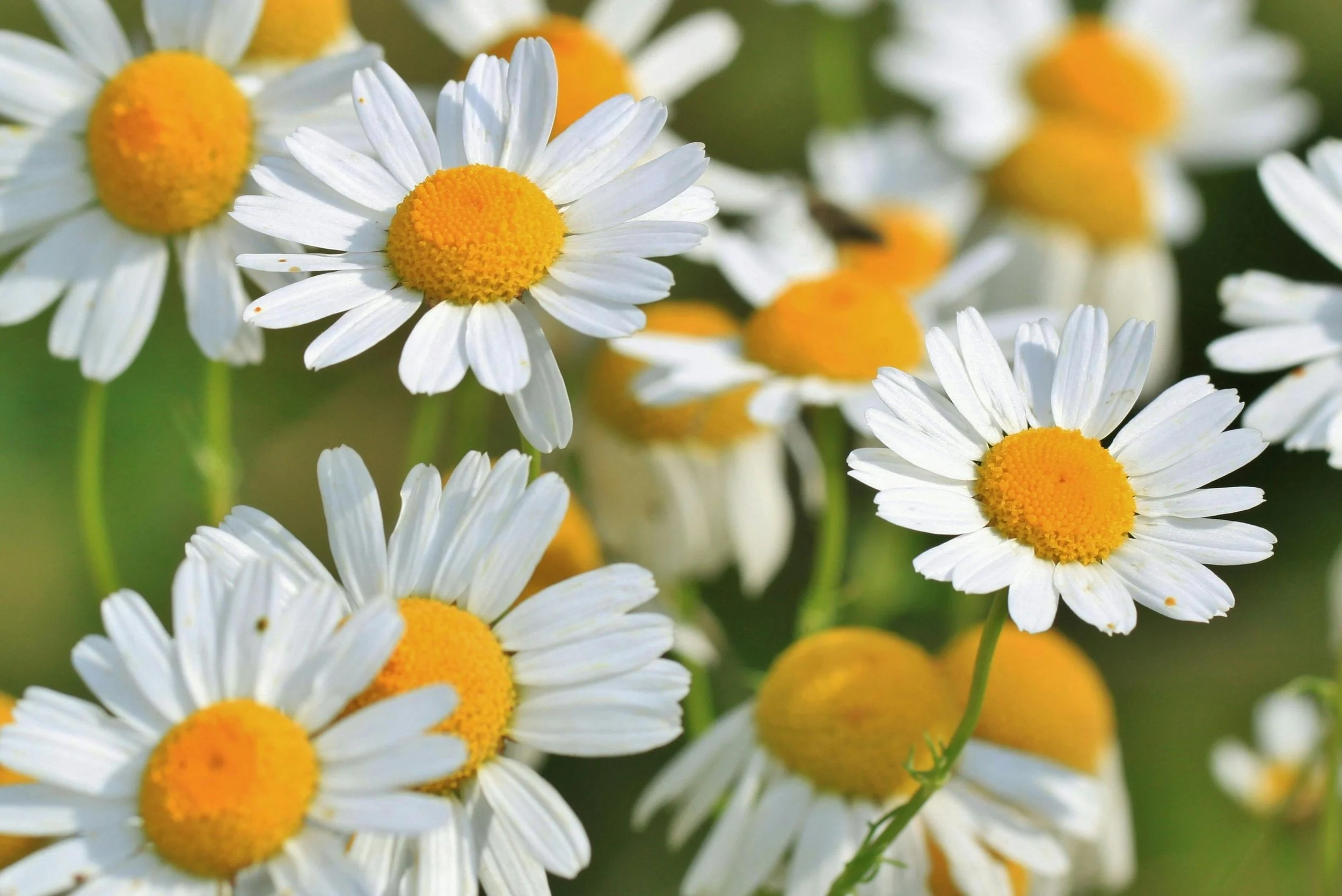
4. Chamomile (Matricaria chamomilla)
Medicinal Benefits
Sleep aid
Anxiety
Digestive upset
Skin inflammation
Chamomile is the gentle healer for all ages. This medicinal plant is safe enough for babies and still so powerful to ease chronic conditions.
Direct sow chamomile seeds in spring by scattering them over prepared soil and barely covering them. They need light to germinate. Chamomile actually prefers poor soil—too much fertility makes weak, floppy plants. This makes it the perfect plant for Norway’s poor soil. Once established, it self-seeds reliably. You'll have volunteer chamomile plants for years.
Harvest flower the heads when they are fully open on a dry day. If you harvest after rain or while dew is still present, the flowers will turn brown when drying. Pick individual flowers or cut stems with multiple flowers. The plant produces flowers in waves, so you'll get multiple harvests throughout summer.
Chamomile is remarkably versatile. It's famous as a sleep aid and for calming anxiety, but it also soothes digestive upset, reduces inflammation, and is gentle enough for children's ailments—tummy aches, teething pain, restlessness. Make tea (one tablespoon dried flowers per cup, steep 10 minutes), use as a compress for skin inflammation, or add strong tea to baths.
Dry the flowers completely before storing. Spread them on screens or cloth in a dark, well-ventilated space. They're dry when they feel papery and break easily. Store them in jars in a dark cupboard. Exposure to light degrades the beneficial compounds, so darkness is essential. Properly dried and stored chamomile keeps for a year.
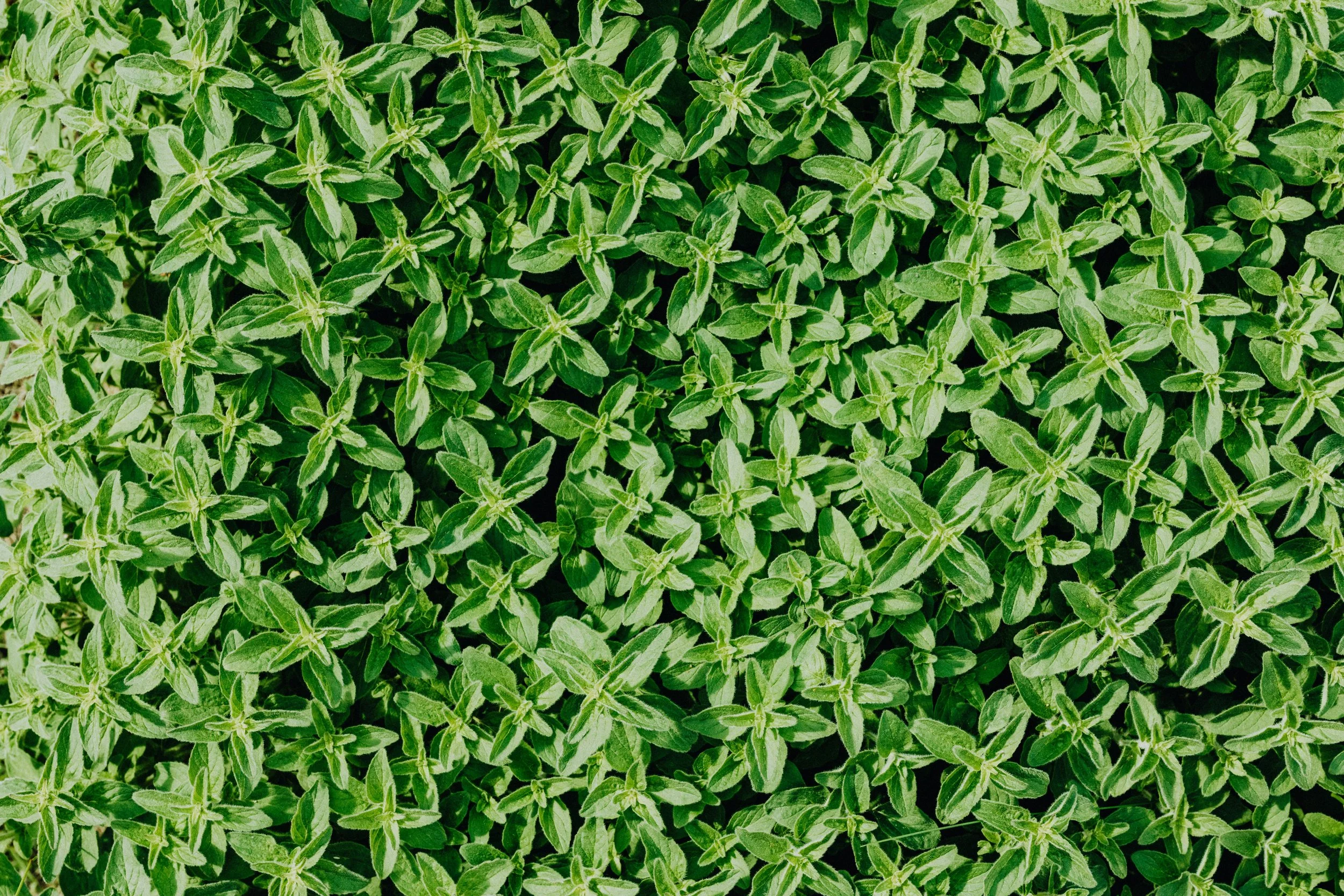
5. Thyme (Thymus vulgaris)
Medicinal Benefits
Coughs
Bronchitis
Sore throat
Antibacterial
Anti-fungal
Thyme is the respiratory healer hiding in your spice rack. You're probably already cooking with medicine. For your dog, this plant is providing antioxidants and antibacterial, anti-fungal, and anti-inflammatory properties that support digestive health, respiratory function, and the immune system. You should add Thyme daily especially to your senior dog’s diet.
Thyme requires well-drained soil—it absolutely will not tolerate wet roots. Plant it in full sun in raised beds or in the greenhouse. Once established, it's remarkably drought-tolerant and asks almost nothing from you. In mild winters, it stays semi-evergreen and you can harvest year-round. But here in Norway, I put it on the window sill in the kitchen.
Harvest thyme by cutting stems before the plant flowers. You can cut the plant back by about a third without harming it. The leaves contain the highest concentration of essential oils just before flowers open. After flowering, the plant can be cut back hard to encourage fresh growth.
Thyme is THE respiratory remedy in your medicine garden. It loosens phlegm, calms coughs, and fights the bacteria and fungi that cause chest infections. Use it for coughs, bronchitis, and sore throats. It's both antibacterial and antifungal, making it useful beyond respiratory issues.
Make tea for internal use, use steam inhalation for deep lung congestion (a handful of fresh thyme in a bowl, pour over boiling water, a towel over your head, breathe deeply for 10 minutes), or infuse in honey for cough syrup (pack jar with fresh thyme, cover with honey, leave for 2-4 weeks, strain). The honey infusion is particularly effective and children will love it.
Store thyme by hang-drying bundles until crispy, then stripping leaves from woody stems. Alternatively, freeze whole sprigs in oil in ice cube trays—brilliant for cooking and for making quick steam inhalations. Dried thyme keeps for 1-2 years if stored properly.
II. Foraging Wild Medicinal Plants Around Your Homestead
Wild plants grow freely in Norwegian nature, but before you start harvesting, invest time in learning to identify them properly. Never harvest from roadsides or sprayed areas where contamination is likely. Take only what you need, leaving plenty for regeneration and wildlife.
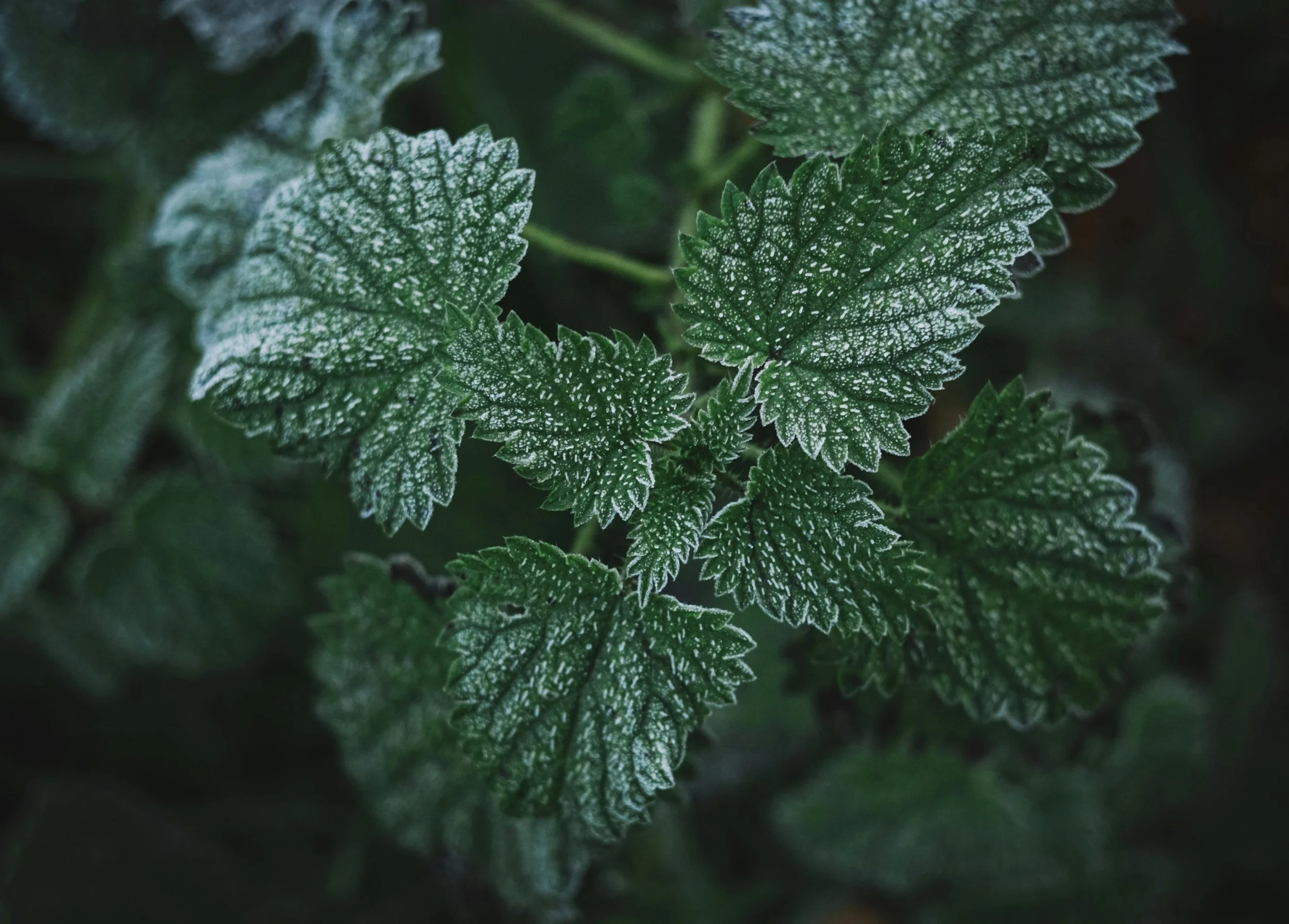
1. Nettle (Urtica dioica)
Medicinal Benefits
Iron deficiency
Arthritis
Urinary health
Hair rinse
Nettles are the nutrient powerhouse hiding in plain sight. Yes, it stings (get your Calendula Salve), but once you know how to handle nettle, you'll see it as treasure instead of nuisance. Once you find out what Nettles can do for you and your garden, you will never have enough of them.
You'll find nettle everywhere—ditches, forest edges, abandoned areas, anywhere soil is rich and disturbed. It grows in thick patches, often waist-high or taller. Look for the opposite leaves with serrated edges and the distinctive square stem.
Harvest the leafs in spring when the tops are young and tender, before flowering. Wear gloves—the sting is real and unpleasant. Cut the top 10-15cm of each stem. The plant regrows, so you can return for second and third harvests if you catch it early enough.
Nettle is ridiculously nutritious—full of iron, calcium, magnesium, and vitamins. It's a powerful spring tonic that nourishes after a depleted winter. It helps with iron deficiency, supports urinary health, eases arthritis pain, and makes an excellent hair rinse for growth and shine.
Prepare nettle as tea (pour boiling water over fresh or dried leaves), make soup (blanch like spinach, add to potato soup base), dry into powder for smoothies, or blanch and freeze like spinach. Processing by drying, cooking, or even wilting for 12 hours removes the sting completely.
Store nettles by drying leaves on screens until crispy, then crumbling and storing in jars. Freeze chopped blanched nettle in portions for soup. Dried nettle keeps for a year. And by the way - “nettle soup”, fermented nettles in water, is the best fertiliser for your vegetable garden!
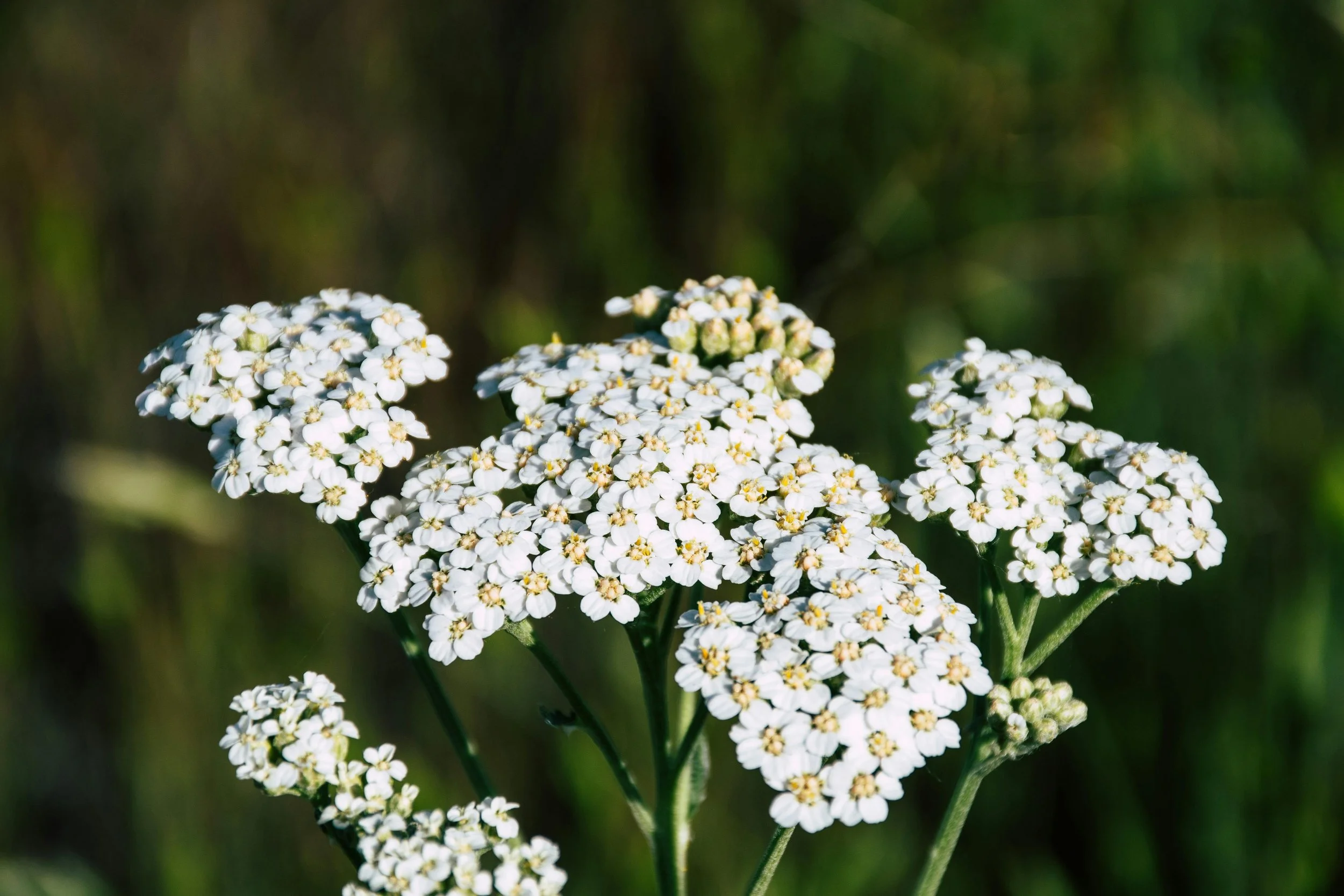
2. Yarrow (Achillea millefolium)
Medicinal Benefits
Stop bleeding
Fever reducer
Cold remedy
Menstrual cramps
Yarrows are the first-aid plant soldiers carried into battle. Achillea (Achillea millefolium) comes from Achilles, who supposedly used it to treat his soldiers' wounds.
You can find yarrow in meadows, along roadsides, and in dry grasslands. It has distinctive feathery leaves (like eyebrows, old herbalists said) and flat-topped clusters of white or pink flowers. It smells aromatic when crushed.
Harvest the flowering tops in summer by cutting the stems, or pick the leaves anytime during the growing season. The flowering tops contain the highest concentration of the beneficial compounds. But make sure to choose plants far from roads and spray drift.
Yarrow's most remarkable property is stopping bleeding—whether it's a cut, a nosebleed, or heavy periods. It also reduces fevers by making you sweat, helps with colds and flu, and eases menstrual cramps. If you spend time hiking in the mountains, learn this plant. Press a fresh yarrow leaf onto a bleeding cut and the flow stops within minutes. Dried yarrow works too, though not quite as well.
Use fresh yarrow as a poultice for wounds (chew it first to release compounds, or crush thoroughly, apply directly to wound) or make tea from dried flowering tops for internal use with fevers or colds. You can also make tinctures for longer storage and more concentrated doses.
Once the flowering tops are fully dry, strip the flowers from the stems and store them in jars away from light. Yarrow keeps its properties for 1-2 years.
3. Dandelion (Taraxacum officinale)
Medicinal Benefits
Liver support
Digestive bitter
Diuretic
Mineral source
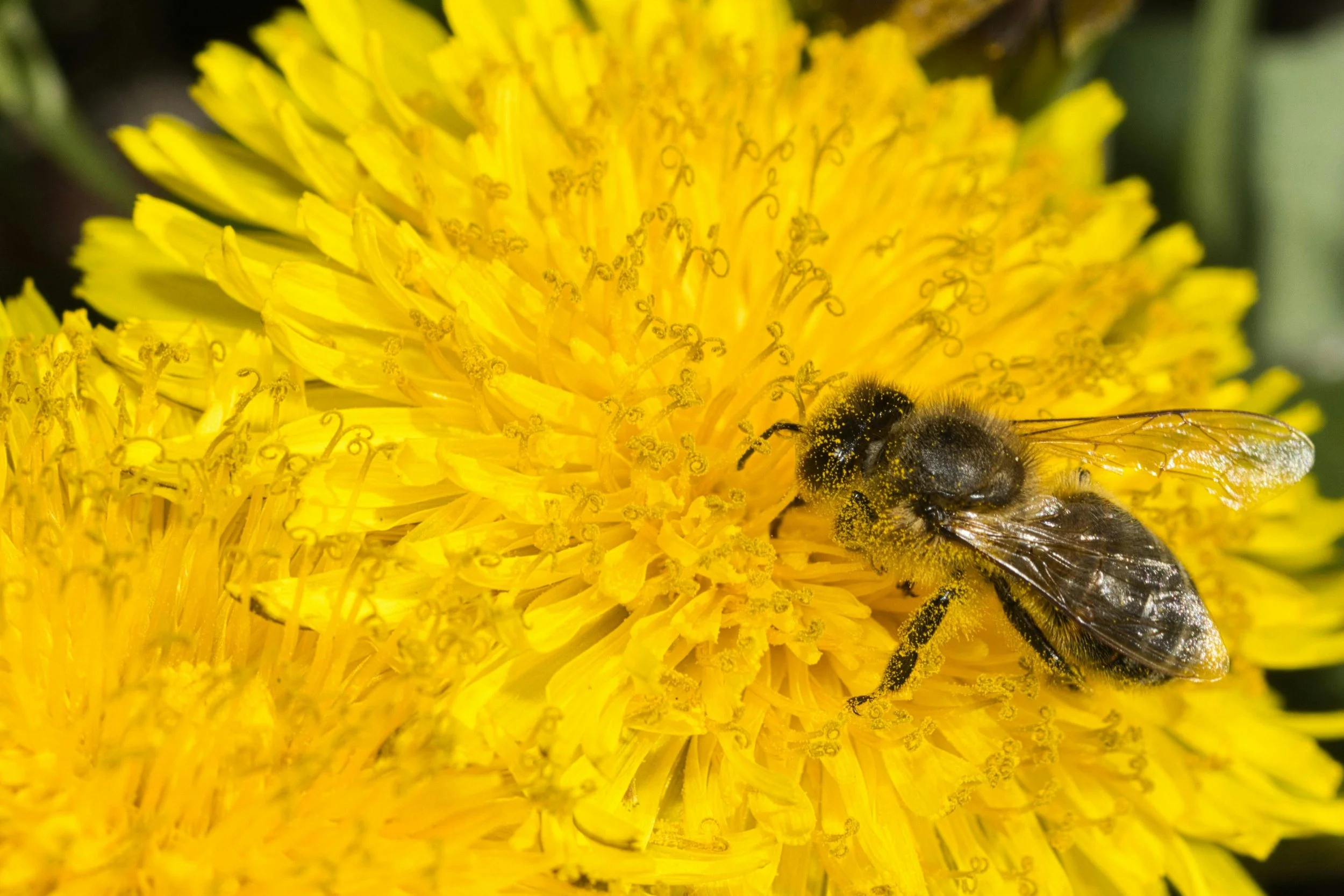
Dandelion is the weed that's actually a pharmacy! Every part is useful—leaves, flowers, roots. And those first flowers in spring are a much-needed food source for insects.
Dandelion grows anywhere grass grows. Lawns, fields, waste ground, garden beds. You know what it looks like—everyone does. The deeply toothed leaves (dent-de-lion, lion's tooth) grow in a rosette, and the yellow flowers turn into white puffball seed heads.
Harvest young leaves in spring before flowering—they're least bitter then. Dig roots in autumn after the first frost when the plant has moved energy underground. Harvest flowers in spring on dry, sunny days when fully open.
Dandelion is brilliant for liver support and digestive health, particularly the roots which act as a digestive bitter. It's also a gentle diuretic—the French call it pissenlit, which translates to "wet the bed," and they're not joking. The whole plant is packed with minerals and vitamins. If you're one of those people who feels compelled to have a perfect lawn, at least dig the dandelions out and use them instead of spraying poison on free medicine.
You can make root coffee (dig roots, scrub clean, chop, roast in oven until dark brown, grind, brew like coffee), eat the young leaves in salads, make tea from older leaves, or use the flowers for wine or syrup. The roots are most medicinal, but the whole plant is useful.
Store dried roots and leaves separately in jars. Roots keep for 2-3 years if properly dried and stored. Leaves keep for about a year.
4. Red Clover (Trifolium pratense)
Medicinal Benefits
Menopause symptoms
Skin conditions
Coughs
Blood purifier
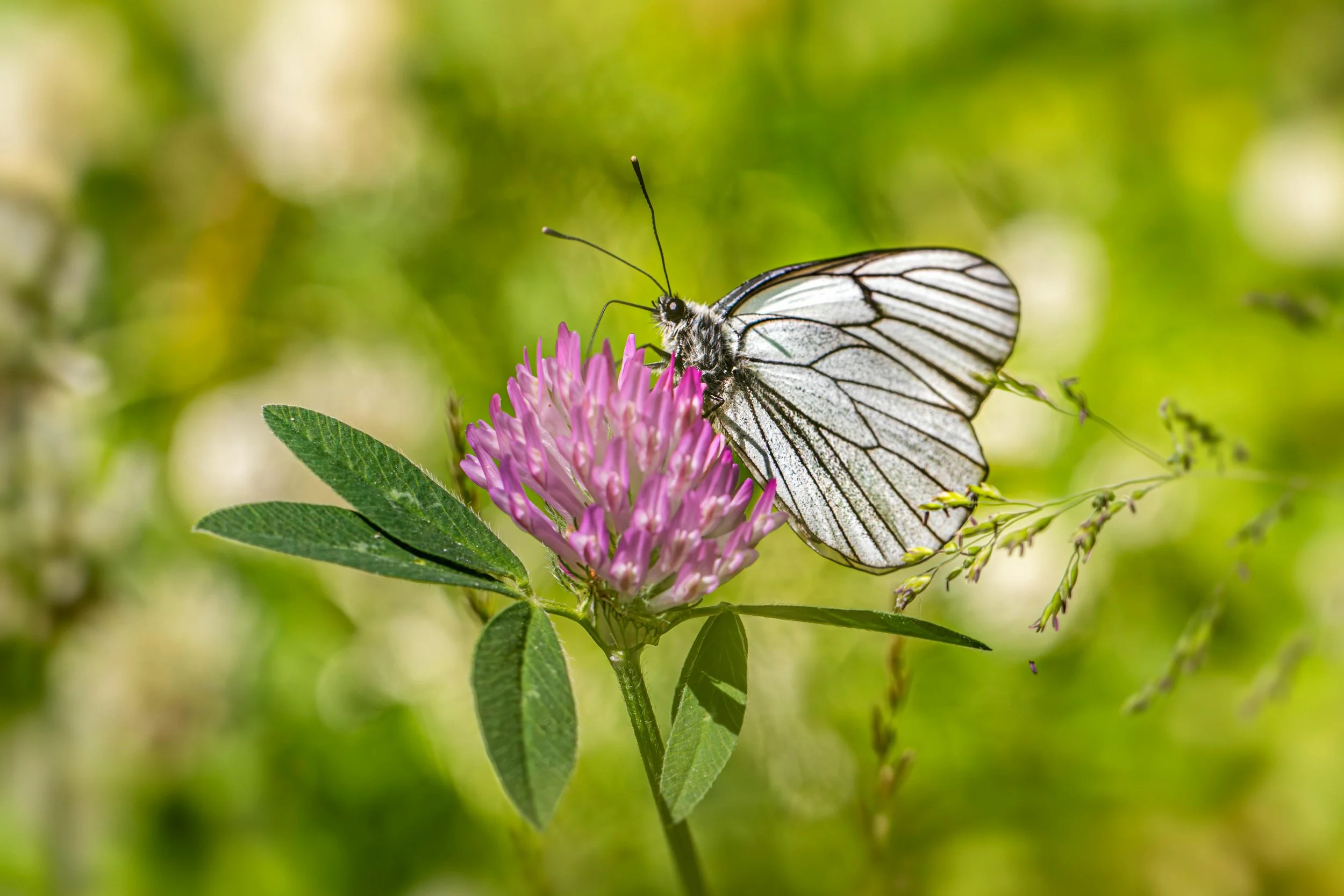
The red clover is the women's herb growing in every meadow. This plant has particular affinity for female reproductive health, though it's useful for everyone.
You'll find red clover growing in fields, meadows, along roadsides, and even in lawns. Look for the pink-purple flower heads sitting above leaves divided into three parts, usually marked with a pale V-shape. It's common throughout Norway and easy to identify, often growing in patches alongside white clover.
Harvest the flower heads when they're in full bloom on dry summer days. You can pick individual heads or cut stems with multiple flowers—just make sure you're catching them at peak bloom when the colour is richest. Never harvest after rain because wet flowers will mould as they dry.
Red clover contains phytoestrogens that help with menopause symptoms—hot flashes, night sweats, mood changes. It's also used for skin conditions like eczema and psoriasis and helps with coughs and respiratory issues. Traditionally, it's considered a blood purifier and used in detox protocols.
You can make tea (one tablespoon of dried flowers per cup, steep 15 minutes), create tinctures, or make strong infusions for medicinal doses. The tea is pleasant—sweet and mild.
Store completely dried flowers in jars away from light. Red clover must be fully dry or it will mould. It keeps for about a year when properly stored.
5. Pine (Pinus sylvestris)
Medicinal Benefits
Coughs
Bronchitis
Vitamin C
Antiseptic
Bath for circulation
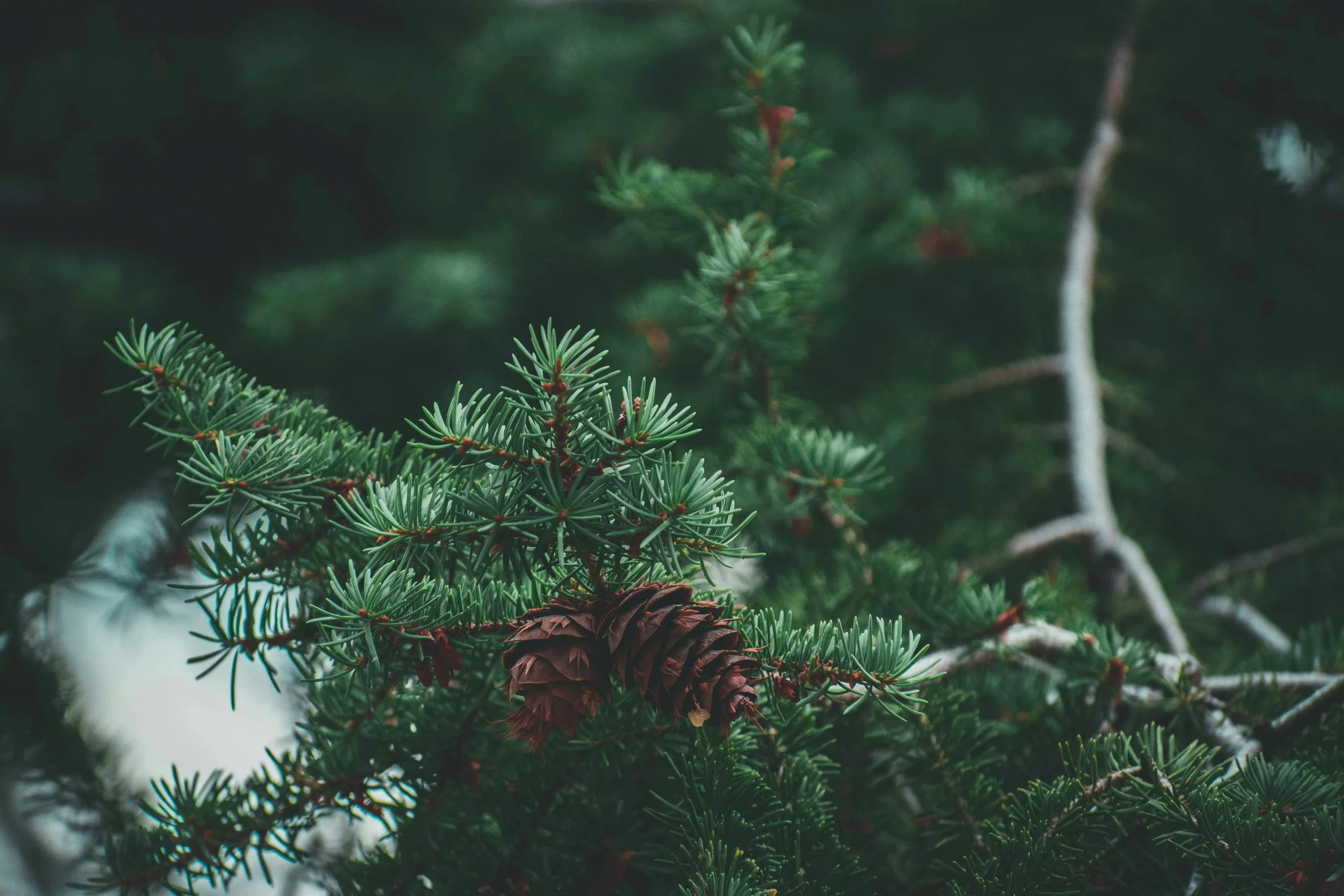
Pine is the respiratory remedy from the Norwegian forests. Norway is built on pine forests—medicine is literally everywhere you walk.
In Norwegian forests the scots pine is the most common. Look for the distinctive reddish bark higher on the trunk and the paired needles. Spring brings bright green new growth at branch tips.
Harvest those young spring needles and shoots when they're bright green and tender. Collect resin from bark wounds where the tree has sealed damage. You can also harvest older needles year-round, but spring growth is most potent.
Pine needles are full of vitamin C—more than citrus! To get enough vitamin C is especially in the harsh nordic regions essential. The needles help with coughs and bronchitis, acting as an expectorant and antiseptic. The resin is powerfully antibacterial and makes an excellent healing salve. A pine needle bath improves circulation and helps with muscle aches.
Make needle tea (a handful of needles, chopped, pour over boiling water, steep 10 minutes), create syrup from young shoots (layer shoots and sugar in jar, leave until liquid forms), make salve from resin (melt resin with oil and beeswax).
Store dried needles in jars, preserve young shoots in honey or as syrup, collect resin as needed. Pine needles keep for 6-12 months. The shoots preserved in honey keep for years.
6. Birch (Betula pendula)
Medicinal Benefits
Spring detox
Urinary tract infections
Joint pain
Hair rinse
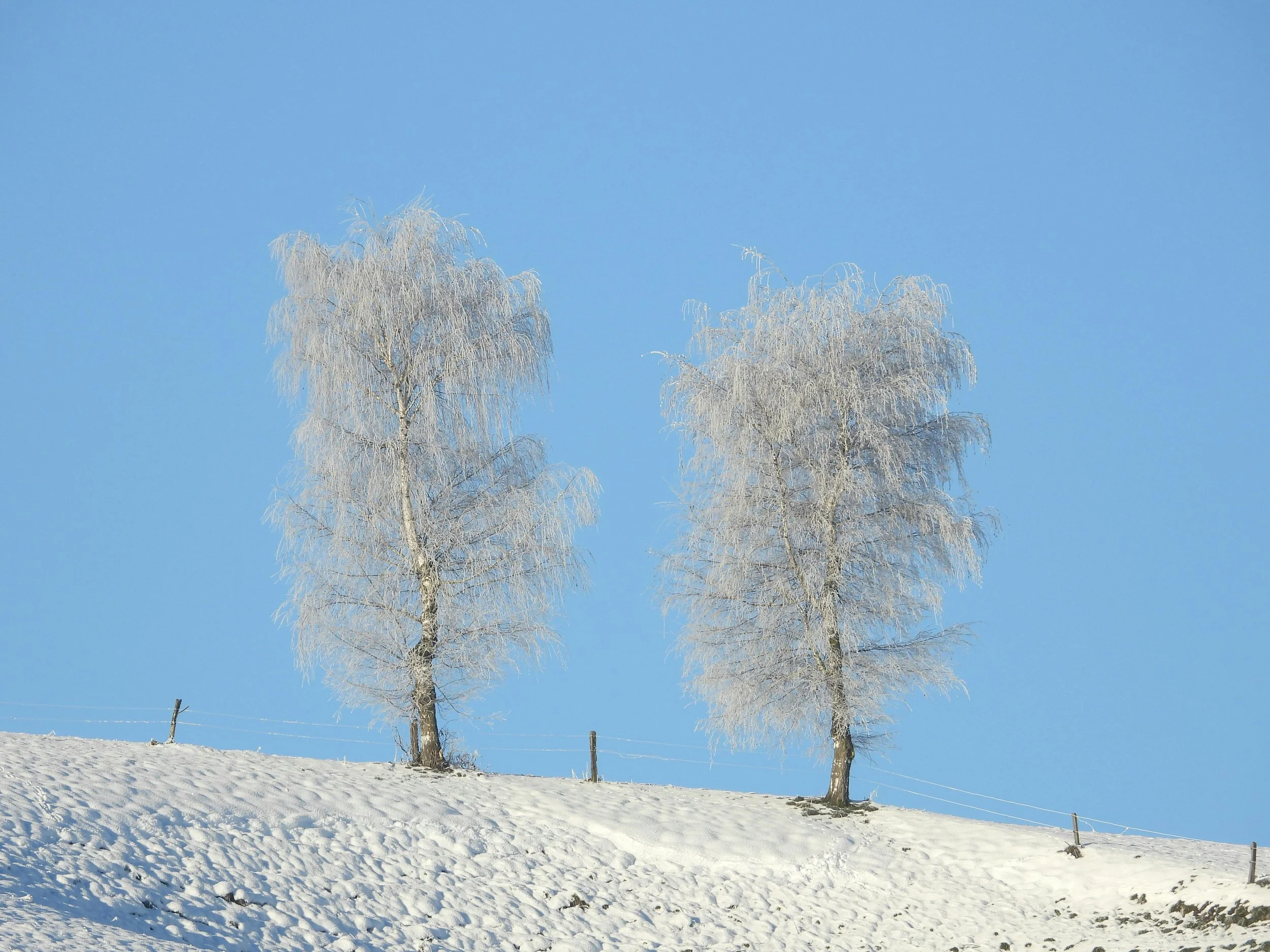
The Birch is the detox tree of Scandinavian tradition. Birch has been central to Nordic healing practices for centuries.
Birch grows throughout Norway—forests, gardens, roadsides. The Silver birch is the most common, identifiable by the white bark marked with black diamonds. In spring, the whole tree glows green with fresh leaves.
Harvest young, sticky leaves in spring when they first emerge. Tap sap in early spring when the snow melts but before leaves appear (drill a small hole, insert a tube, collect sap, seal the hole with wax or resin). The bark can be harvested year-round but take only small amounts from living trees to not harm them.
Birch is the traditional spring detox plant in Scandinavian herbalism, particularly valued for supporting kidney and urinary tract health. The sap, tapped fresh in early spring, can be drunk as a tonic or fermented into wine—both methods preserve this seasonal medicine. Leaf tea works well for urinary tract infections and helps ease joint pain, while a strong infusion makes an excellent hair rinse that tackles dandruff and improves overall scalp health.
Make leaf tea (pour boiling water over young leaves, steep 10 minutes), drink sap fresh or ferment it, create bark decoction by simmering bark in water. The sap is particularly prized—slightly sweet and refreshing.
Store dried young leaves in jars away from light. Preserve sap as syrup by reducing it slowly or ferment it into wine. Dried bark keeps for years.
III. Medicinal Plant Safety and Self-Sufficiency
These plants are powerful—treat them with respect.
Before you start using anything medicinally, research contraindications properly—some plants interact with medications, some aren't safe during pregnancy, and some affect people with specific health conditions in unexpected ways. Start with small doses and pay attention to how your body responds.
Children and elderly people need gentler plants and smaller amounts. Keep notes on what works for you because everyone's different. And here's the non-negotiable bit: learn proper plant identification. Use multiple sources—field guides, foraging courses, experienced foragers. Never use a plant unless you're absolutely certain what it is. Some poisonous plants look nearly identical to medicinal ones, and getting it wrong can kill you.
The real point of all this isn't becoming some off-grid purist who rejects everything modern. It's about having genuine options. When you know how to handle a cold, treat a cut, settle an upset stomach, or sleep better without needing to buy something, you're genuinely more resilient. You save money. You're less vulnerable when supply chains wobble or prices spike. You build an actual relationship with the land around you instead of just walking past it. And you're using renewable local resources instead of pharmaceuticals that travelled halfway around the world.
Master five basic methods—tea, oil infusion, tincture, salve, and poultice—and you can prepare most medicinal plants effectively. That's sovereignty. That's what our grandmothers knew and what we're reclaiming.
