
How to Make Calendula Oil and Salve: Pure Magic for Your Skin
I first fell in love with Calendula because of its sunny yellow and orange blooms that light up the garden from spring until the first hard frost. But what truly captured my heart was watching the bees, bumblebees, hover flies, and butterflies absolutely adore these flowers.
When I discovered that this wonderful plant could also protect my three rescue dogs' paws and soothe my own homestead-worn hands (and so much more!), I was completely won over. Yes, making Calendula salve requires a bit of patience, and even if homemade, it doesn’t come cheap. But it's still not as costly as buying commercial products, it contains no mysterious additives, is more environment friendly than store-bought, lasts over a year, and honestly works better.
Here, I share with you my preferred way of making Calendula oil and Calendula ointment, its benefits and some tips & tricks.

I. Why every homestead needs Calendula
Calendula is one of the homestead plants, you should always grow. No matter if you manage to make your own medicine or not. Once sown, it actually takes care of itself.
Calendula officinalis, the plant's Latin name, reveals its long medicinal history - 'officinalis' indicates it was once sold in apothecaries as an official remedy. For centuries, herbalists and healers have turned to calendula for wound care and skin healing. The name 'calendula' comes from the Latin 'calendae', meaning the first day of the month, perhaps because it blooms so reliably through so many months.
Benefits for Skin (Humans and Animals)
Calendula is nature's gentle healer. Its anti-inflammatory and wound-healing properties make it invaluable for eczema, dry skin, cuts, minor burns, cracked hands, insect bites, and rashes. For my dogs, calendula salve has become essential for protecting their paws after long walks in the snow, treating minor wounds, dry skin or any other skin irritation. The plant's soothing compounds work their magic without harsh chemicals or complicated ingredient lists. You also need to worry, if they lick it.
As a Garden Plant and for the Environment
Here's what makes calendula truly special: it blooms relentlessly from spring until hard frost arrives, sometimes even pushing through light snow. Even in my heavy Norwegian clay soil, calendula thrives without fussing. It self-seeds year after year, creating a self-sustaining cycle that requires almost no effort from you. Most importantly, it provides vital food for pollinators when many other flowers have finished blooming. Watching the steady stream of bees and butterflies visiting these sunny flowers reminds me why sustainable gardening matters.
Calendula Growing and Harvesting
Direct sow calendula seeds from spring through autumn - they're not fussy. No special care needed. They actually prefer poor soil, which makes them perfect companions for anyone battling clay like I do.
For seed collection, simply let some flower heads dry completely on the plant, then harvest and save them for next year or share with friends. I always leave some for self-seeding but also actively sow seeds in spring to ensure thick stands of flowers.
For flower harvest, pick fully opened blooms mid-morning after the dew has dried. Dry them completely before making oil - any moisture invites mold. And by theh way – if you’re concerned to steal the insects food - regular picking actually encourages the plant to produce even more flowers.
II. how to make Calendula Oil - Step by Step

There are several methods to make Calendula oil:
METHOD 1: Cold Infusion (My Preferred Method)
This is my go-to method. The cold infusion keeps all beneficial properties intact, has no risk of overheating, and requires less active work - just patience.
What You Need:
Clean, dry glass jar
Dried calendula flowers (use entire heads, not just petals)
High-quality olive oil or coconut oil
Optional: dried chamomile flowers for extra soothing properties
Choosing Your Oil
Olive oil creates thicker, more protective, deeply nourishing oil with anti-inflammatory properties - this is my standard choice. Coconut oil produces lighter oil that absorbs faster and has antibacterial qualities. Choose based on your final use and personal preference.
Step-by-Step Calendula Oil Making
Pack your jar tightly with dried calendula flowers (and chamomile if using)
Pour oil over flowers until completely covered
Remove air bubbles with a clean spoon
Seal jar tightly
Label with the date
Place in a sunny windowsill
Shake gently every 2-3 days
Wait minimum 6 weeks (I prefer 8-10 weeks for maximum potency)
Strain through cheesecloth into a clean bottle
Squeeze the cheesecloth to get every precious drop
Save those leftover flower 'butts' for soap making - zero waste!
Use the pure oil directly or make it into salve
METHOD 2: Quick Heat Method
For those who need oil faster, though the quality isn't quite as high.
What You Need for the quick heat method
Double boiler or jar in pot of water
Dried calendula flowers
Olive or coconut oil
Optional: dried chamomile
Steps:
Fill jar with dried flowers
Cover completely with chosen oil
Place jar in pot with 5cm of water
Heat water gently on low for 2-3 hours
Don't let water boil - keep it barely simmering
Strain and store as above
Save those flower butts for soap!
III. How to make Calendula Salve - Step by Step
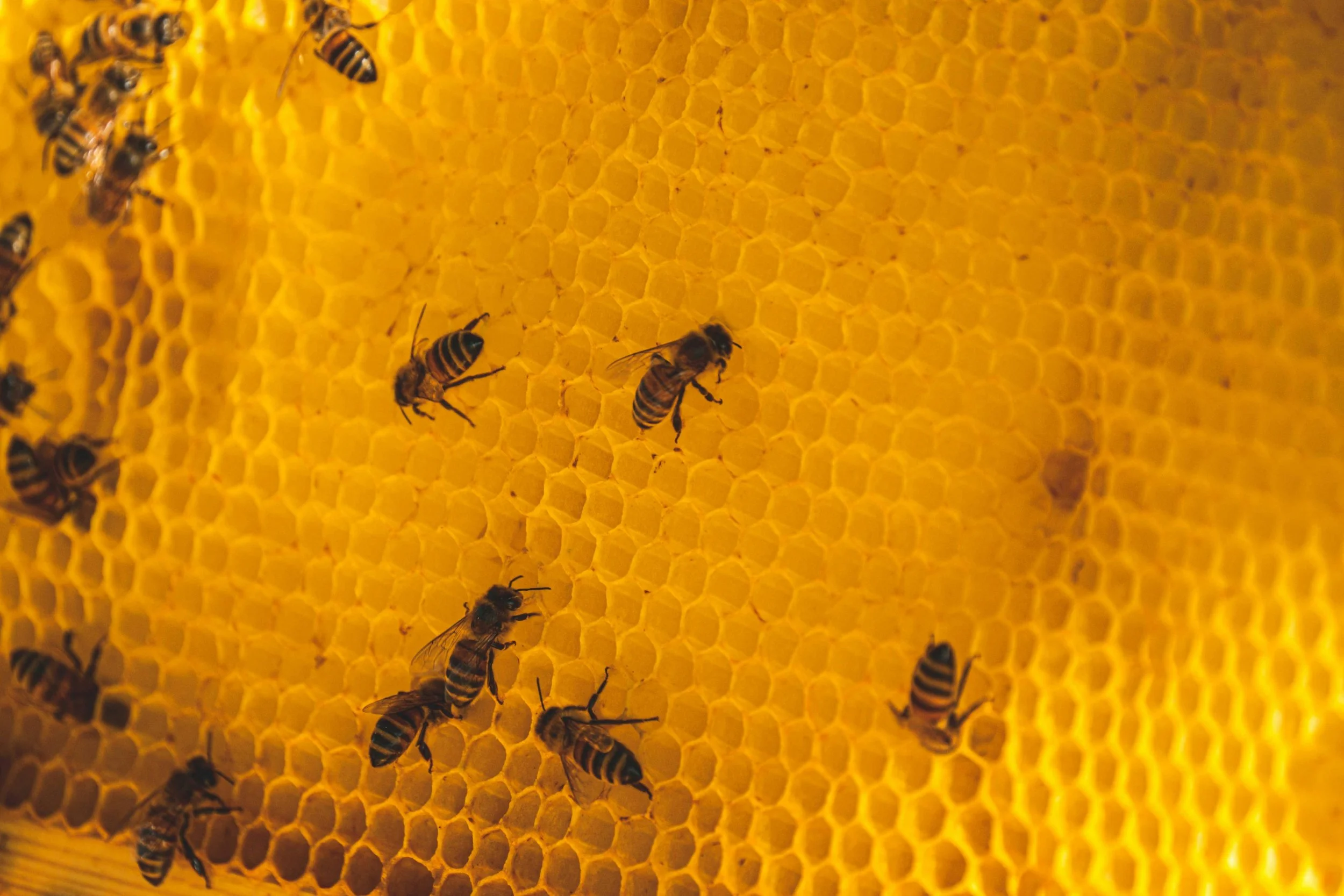
Now that you have your Calendula Gold, the oil, you can either use it as a very potant skin treatment, or make a more practical Calendula ointment. The basic ratio is 1 part beeswax to 4-5 parts oil. Here's something important I've learned: you'll find your personal sweet spot, but not every beeswax is identical. It happens that with the same ratio, one year the salve is pretty hard - but still fine - another year it's softer.
Oil choice matters too. Olive oil creates thicker, more protective salve while coconut oil creates lighter salve that absorbs faster. You can mix both for balance. Therefore, it’s important, you make the “firm-test” before you fill the slave in the containers.
Basic Salve Recipe
Ingredients:
1 cup calendula-infused oil (olive, coconut, or mixed)
25-30g (about 1 oz) local beeswax for standard consistency
Small glass jars or tins (pesto jars work perfectly!)
Steps:
Set up double boiler: Place heatproof bowl over pot of simmering water
Add oil: Pour your calendula oil into the bowl
Add beeswax: Break or grate beeswax into small pieces
Melt gently: Stir until beeswax completely melts
Test consistency: Place small spoonful on cool plate, wait 1 minute, check firmness
Too soft? Add more beeswax (5g at a time)
Too hard? Add more oil (2 tablespoons at a time)
Pour into containers: Work quickly before it hardens
Let cool completely
Store: Keep in cool, dark place - lasts over a year
Quick Reference for Different Salves
Basic healing: Calendula + olive oil + beeswax
Extra soothing: Calendula + chamomile + olive oil + beeswax
For dogs: Calendula + olive or coconut oil + beeswax (no essential oils or anything else!)
Light summer: Calendula + coconut oil + less beeswax
Protective winter: Calendula + olive oil + more beeswax
IV. How to Use Calendula Salve
Now that you've created your beautiful golden salve, let's talk about putting it to work. Calendula salve is incredibly versatile for both humans and animals.
Calendula ointment For Humans
Calendula salve works brilliantly for cracked, rough hands - apply it at night before bed for best results. For minor cuts and burns, it speeds healing while keeping the area protected and moisturized. During winter months, when cold air strips moisture from exposed skin, calendula salve creates an effective protective barrier. It's also excellent for soothing eczema patches, rashes, and insect bites - anywhere your skin needs gentle healing without stinging or harsh chemicals. The thick consistency means a little goes a long way, so one small tin lasts surprisingly long.
calendula salve For Animals
Calendula salve is particularly effective for dog paw care. Before and after long walks on rough terrain or in snow and ice, apply a thin layer to the paw pads. It prevents the sensitive toe beans from cracking, and makes dry paws soft again.
It also works well on dry noses, minor scrapes, and skin irritations. One critical rule: use only plain calendula salve for animals - absolutely no essential oils or added ingredients. Animal skin is more sensitive than ours, and what smells pleasant to us can be irritating or even toxic to them. Simple calendula oil and beeswax is all they need and all they should have.
V. Zero Waste Bonus - Don't Discard Those Used Flowers!
After straining your oil, you're left with calendula-soaked flower 'butts' that still hold healing properties. These are absolutely perfect for soap making! They create luxurious, gentle soap that continues the calendula's soothing magic. Nothing gets wasted here - the flowers go from garden to oil to soap, completing a beautiful sustainable cycle. For detailed instructions, see my article "The Benefits of Calendula Soap and How to Make It." (coming soon)
“Magic” from Garden to Jar
My friends, family and myself call the Calendula salve “Magic Cream”, because it simply amazing stuff! And there's something deeply satisfying about watching bees work those sunny flowers in summer, then harvesting and transforming them into healing salve that sits ready on your shelf all winter.
You know exactly what touches your skin - just flowers, oil, and beeswax. No synthetic ingredients, no mystery additives, no corporate laboratory. Just ancient wisdom, a bit of patience, and the generous gifts from a plant that feeds pollinators and heals skin with equal grace. This is achievable, affordable magic that connects you to the earth's rhythms and your own capability to create something genuinely useful.
