
Who Can Homestead?
Twelve years ago, I sat in a fluorescent-lit Barcelona office, staring at meaningless sales data whilst my body screamed for sunlight. The IT career spanning global cities had taken me far: from myself! Burnout, depression and an unhealthy lifestyle were my daily companions. Six years ago, I quit to finally live. Now, in my fifth year on my 1909 Norwegian farm with three rescue dogs at my feet, I understand something crucial about homesteading. It's not about the perfect land, unlimited funds, or living completely off grid. It's about choosing connection over consumption, purpose over a career, and discovering that the life you're seeking might be simpler than you think.

I. The Roots: Where Homesteading Really Comes From
Homesteading wasn't born from Instagram aesthetics or lifestyle blogs. It emerged from necessity when settlers faced vast, undeveloped lands with nothing but determination and basic tools. The Homestead Acts of the 1860s in the US offered 160 acres to anyone willing to work the land for five years. These weren't wealthy landowners or agricultural experts—they were ordinary people seeking opportunity, armed with traditional skills passed down through generations.
They built with what they found, preserved food without refrigeration, and mended everything repeatedly because the nearest shop might be days away. Their self-sufficiency wasn't a choice or philosophy; it was survival.
From Survival to Revival
Today's homesteading movement isn't about survival—it's about revival. We're returning to these old ways not because we must (or maybe we do?), but because something essential was lost in our rush toward convenience. The back-to-the-land movement that began in the 1960s has evolved into something deeper: a response to environmental crisis, economic uncertainty, and the soul-crushing disconnection of modern life.
Like many burned-out professionals, I didn't seek homesteading for its romance. I sought it for healing, going back to nature, and feel more connected. After years under artificial office lighting, following someone else’s schedules, I needed something real. The traditional skills my great-grandparents took for granted became my pathway back to sanity. Each jar of preserved tomatoes, each successfully mended fence, each morning collecting eggs became proof that I could create rather than just consume.
II. Breaking the Myths: What Homesteading Isn't
Scroll through any homesteading hashtag and you'll find pristine gardens, perfect off-grid cabins, and equipment costing more than most annual salaries. But in reality, this has nothing to do with the main cause of modern homesteading: living with nature, preserving it, reviving life, and reducing your environmental footprint. My most valuable tools are second-hand, my garden battles heavy clay soil, and perfection is something I gave up long ago.
Those pristine photos don't show the struggles and downsides, how beautiful imperfection can be, and they don’t care about the earth. They don't capture the biggest investment which isn’t equipment like a fancy four-wheeler but learning to see resources where others see waste.
The All-or-Nothing Trap
Here's what nobody tells you: you don't need to quit everything and try to live 100% off your homestead (right away). Most of the homesteaders have a job (like me), are on the grid, and shop at supermarkets when needed.
Homesteading whilst connected to utilities isn't "cheating"—it's practical and sometimes even necessary. I found my place, but I only rent, and I legally simply can’t take everything off the grid. Starting with small steps whilst maintaining stability makes far more sense than dramatic life overhauls.
Building up a homestead is a process. It doesn’t happen overnight. It usually starts with downgrading your life. Your electric fancy car isn’t practical on a farm. Rather buy an old pick-up or station wagon for hauling stuff. All those subscriptions you won’t need anymore. And forget about your fancy brand clothes – they will have holes and stains all over very quickly.
It's Not Just a Weekend Hobby
The distinction between having a garden and homesteading isn't about size or production—it's about mindset. Gardening can be a weekend activity. Homesteading becomes part of your daily rhythm, your seasonal planning, your way of viewing the world. Growing food will teach you things you might not even think about yet.
It means checking water for the chickens becomes as routine as checking email once was. It means planning meals around what's growing, not what's convenient or what’s offered at one of the many take-aways. It means understanding that December's wood pile starts with April's splitting, and next year's soil health begins with this year's composting. After years of artificial schedules, aligning with natural cycles became my medicine.
Homesteading is a mindset, a lifestyle. The more you do from scratch, the more you think about everything else. In the beginning, you might think, you just want to eat fresh veggies, but soon you will skip anything processed. Your mind will expand, and you realise more and more, how dependent and against instead of with nature we are.
III. The Heart of Homesteading: Core Principles

The problem-solving and sales skills from my career translated surprisingly well to farm life—just with different parameters. Instead of presenting a customer the ideal software-setup, I'm figuring out the best layout for the greenhouses and garden beds. Instead of optimising systems, I'm maximising yield.
Starting with your current resources isn't limitation—it's liberation. That pile of pallets becomes next year's compost bins. The old windows from a renovation become cold frames. Creativity over consumption isn't just economical; it's deeply satisfying. Every solution that doesn't require a trip to the shop is a small victory against dependence.
The Sacred Trinity: Reduce, Reuse, Recycle
On my farm, nothing goes to waste. Kitchen scraps feed chickens or compost. Old paper feed bags become weed barriers. Even the spent flowers from making calendula oil get transformed into soap. This isn't environmental extremism—it's practical economics and traditional wisdom.
The mental shift from consumer to creator changes everything. That broken chair isn't rubbish; it's firewood and salvageable screws – or it gets repaired and restored. Those glass jars aren't recycling; they're next summer's jam containers. This mindset—seeing potential instead of problems—transforms both your relationship with resources, profits nature and your bank balance.
Learning by Doing
YouTube taught me theory, but my hands taught me reality. Traditional skills aren't learned through screens—they're learned through repetition, mistakes, analytic thinking and gradual improvement. My first bread was a brick. My first preserved vegetables went bad. My first ploughing would have made every farmer laugh.
But each failure taught what no video could. Now, my preserves rarely go bad, I feel confident on the tractor and that chicken coop made of reused materials has weathered four Norwegian winters. Trading keyboard skills for calloused hands wasn't degradation—it was elevation.
IV. Who Can Actually Homestead?
Don’t let anyone stop you from realising your dream, only because of some sort of definitions or limitations. Call what you do whatever you want. The only limit is the one you set yourself. In general, everyone who’s willing to learn a lot and work hard, can homestead.
Suburban Pioneers
You don't need acreage to homestead. Suburban homesteaders are proving this daily with backyard chickens, substantial vegetable gardens, rainwater collection systems, and composting operations that would impress any rural farmer.
I know suburbanites growing enough vegetables to feed their families year-round, making their own cleaning products, and preserving enough food to significantly reduce their shopping. They're working toward self-sufficiency within town limits, proving that homesteading is about mindset, not a post code.
Rural Homesteaders (On-Grid)
This is where I landed—rural and spacious enough for livestock and substantial growing, but still connected to electricity, internet (obviously, since I'm sharing this) and water. We're the middle ground, balancing traditional methods with necessary technology.
Starting small whilst working full- or half-time is completely feasible here. You might begin with chickens and a vegetable garden, gradually adding preserving, perhaps a few sheep, water collection, solar panels for backup power. Each year building toward greater self-sufficiency without sacrificing all modern conveniences.
Off-Grid Warriors
Then there are those in the wilderness or remote mountains, completely disconnected from utilities, generating their own power, collecting and treating their own water, dealing with their own waste. This requires serious skills – and money: solar system maintenance, water pump repairs, generator troubleshooting, and the mental fortitude for true isolation.
It's the pinnacle of self-sufficiency, but it's also the most demanding and – for the setup – the most expensive. Not everyone can, needs or wants this level of independence, and that's absolutely fine.
V. Starting Where You Are: Practical First Steps
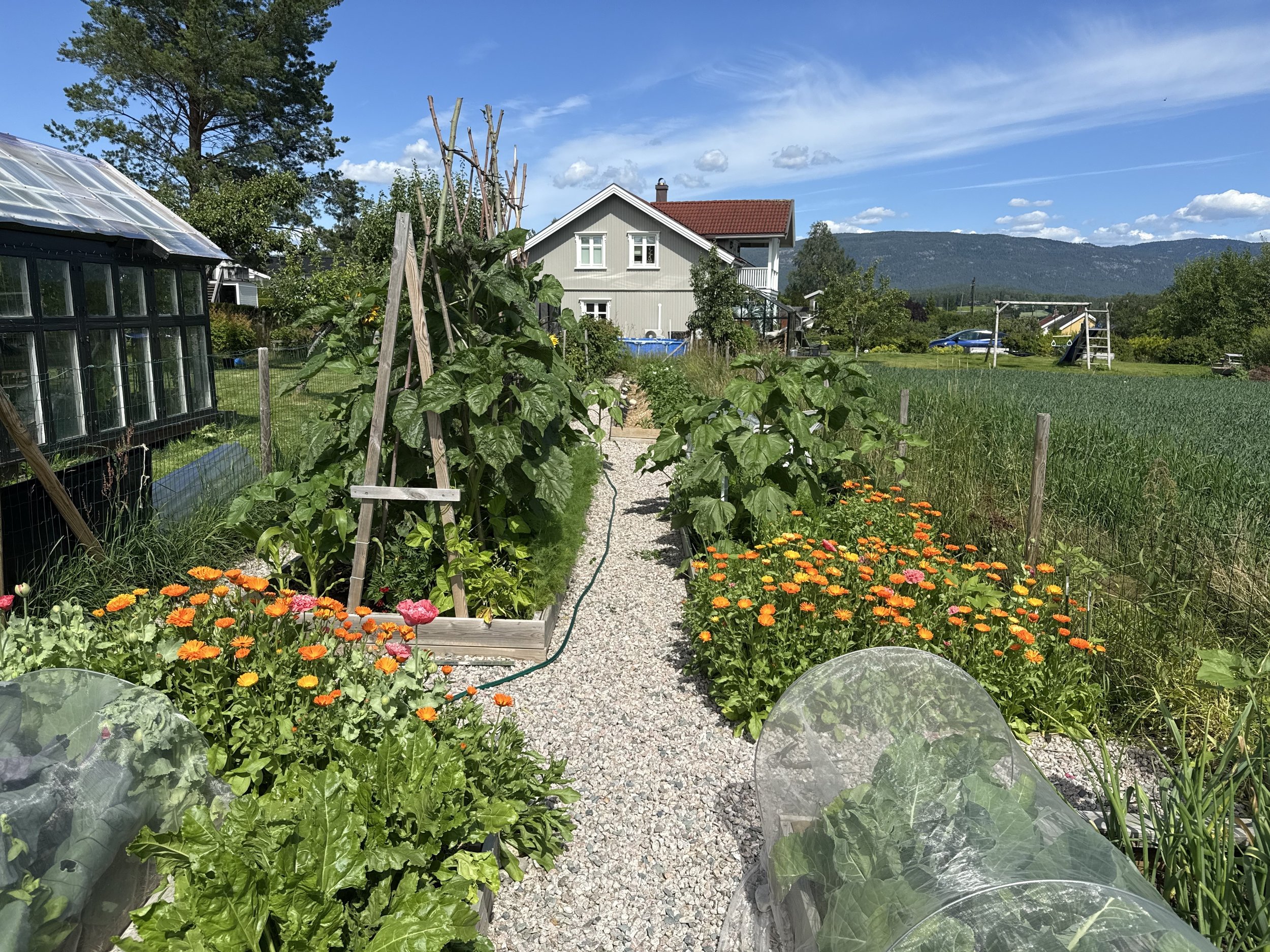
Start by rescuing food—those wilting vegetables become fermented pickles, extending their life and creating probiotics without buying supplements. Learn basic repairs—fixing a broken appliance keeps it from landfill and saves the environmental cost of manufacturing new. Collect rainwater in buckets during storms, even from a balcony—every litre used for plants is treated water saved.
Make your own cleaning products from vinegar and soap scraps—no more plastic bottles or toxic chemicals down drains. Make your own medicine, start composting, even in a flat with a small bokashi bin or worm farm. These aren't Instagram-worthy moments; they're real environmental actions. Each repair prevents waste and extraction of raw materials. Each homemade product eliminates packaging and chemical pollution. Each rescued food scrap returns nutrients to soil instead of creating methane in landfills. This is how we heal the planet—one unglamorous, practical action at a time.
Mindset Shifts That Matter
The biggest change isn't in your location but in your perspective. "Waste" becomes resources, reducing what enters landfills. Seasonal eating stops being restriction and becomes harmony with nature's cycles, eliminating the carbon footprint of imported strawberries in January. Quality over quantity means choosing items that last decades, not seasons, drastically reducing your consumption footprint.
Stop endless consuming. Unnecessary purchases demands the earth's resources—mining, manufacturing, shipping, disposal. The less you need, the less the planet suffers, the more you have in the bank – or, the less you need to work for money! Each repair instead of replacement, each year you don't upgrade, each thing you don't buy is a gift to the environment.
Finding Your Why
Your reason for homesteading will sustain you through difficult days. Maybe it's environmental consciousness, economic resilience, or the desperate need to reconnect with something real. Maybe it's wanting to know exactly where your food comes from or teaching children that food doesn't magically appear in supermarkets.
Your Homestead, Your Way
Homesteading isn't about location, income, or Instagram-worthy infrastructure. It's about choosing to create rather than consume, to connect rather than disconnect. From a meaningless life in city offices to purpose on this farm, the journey taught me that homesteading isn't something you achieve—it's something you practice, daily. And whatever your homestead looks like, honour it, enjoy it, and grow.
