
Fall Tasks on the Homestead: Getting Ready for Winter
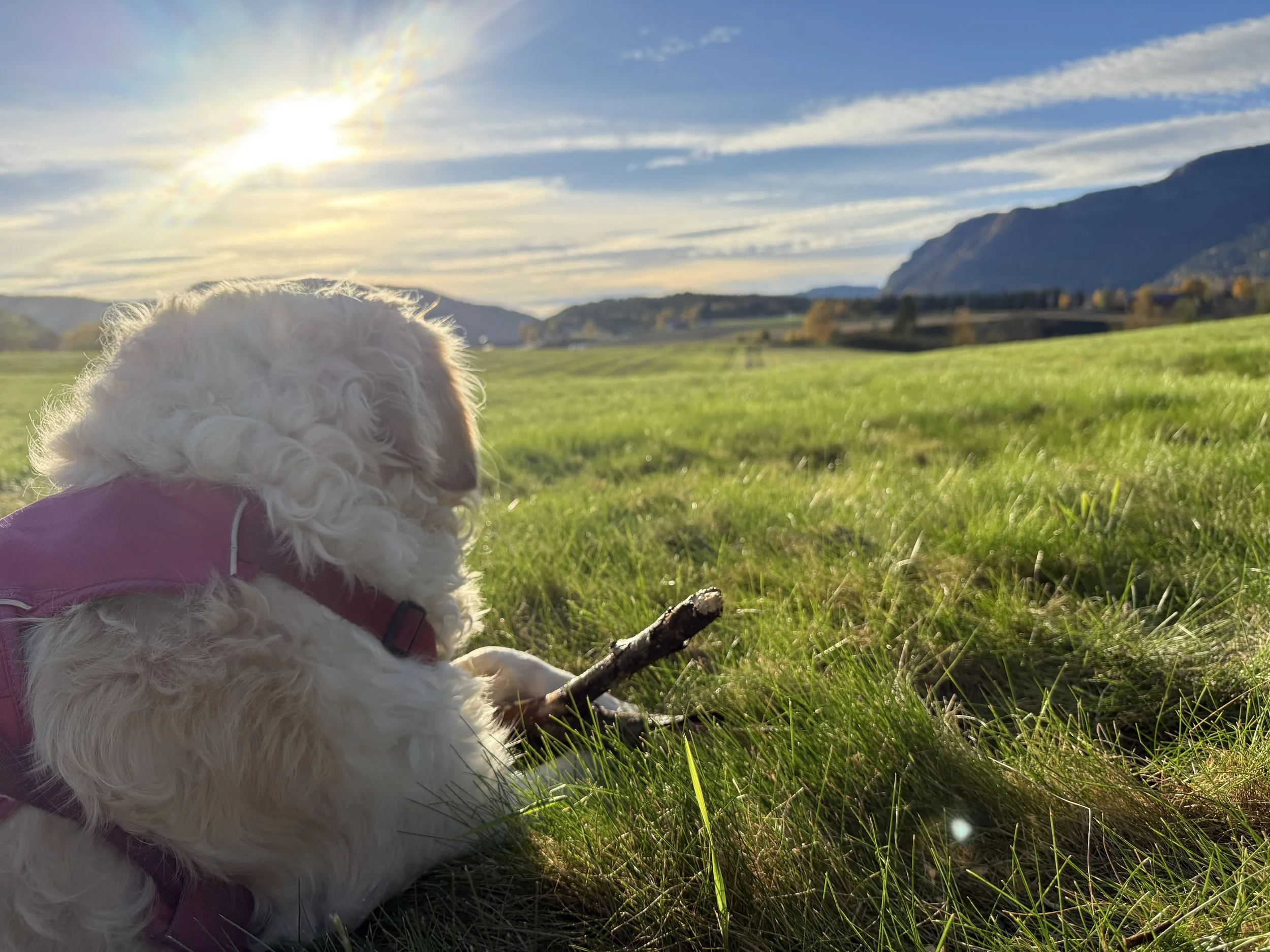
Before life slows down in winter, it gets busy first. This is exactly when I feel most burned out—caught between the exhaustion of summer's work and the endless tasks still waiting before winter arrives. Time is running out! All those months of tending and growing, and now the urgent rush to preserve, prepare, and secure everything before the snow flies.
But autumn in Norway is utterly beautiful. The smell of the leaves, those amazing colours painting the mountainsides, and finally—some darkness returning again. I love it. There's something so cosy about the shorter days, the need to light candles earlier, the way the world starts turning inward. And it means, I also have some time for inside-tasks.
It's also when I've usually had quite enough of homesteading, if I'm honest. The endless tasks feel overwhelming, and it feels like work never ends. But it never lasts long—usually until January, when my fingers start itching again and I'm putting the first seeds into soil, dreaming of another growing season.
This seasonal rhythm of exhaustion and renewal is part of homestead life—just like nature’s way through the seasons. I've learnt to embrace both sides of it. So, let’s tackle the last tasks before winter arrives.
I. Closing Down the Garden
As the growing season winds down, it's time to properly close your garden for winter. This isn't just about tidying up - it's about protecting your investment and setting yourself up for success next spring.
From storing tools and draining water systems to saving seeds and securing infrastructure, a systematic approach to garden closure saves both time and money. Done right, these autumn tasks make spring startup smooth and efficient whilst protecting valuable equipment through winter's harsh conditions.
Essential Garden Closure Tasks:
• Collect free autumn leaves but leave enough for small critters to use as a winter bed
• Remove diseased plant material completely - don't compost it
• Leave perennials for winter wildlife - no matter what other gardeners tell you
• Clean and store plant supports - stakes, cages, trellises
• Drain and store hoses to prevent freeze damage
• Save seeds from your best plants if not done yet
Think of this as properly closing a seasonal business - everything protected, organized, and ready for next year's operation.
PREPARE GARDEN BEDS AND FIELDS FOR WINTER
Don't leave soil bare - this is where many new homesteaders go wrong. Nature covers soil with organic matter, and we should follow that wisdom.
Cover beds with whatever you can find: autumn leaves from neighbours, straw from local farmers, kitchen scraps layered carefully. I use straw mulch extensively - it's often available cheap or free after harvest and works brilliantly on heavy clay soil, slowly becoming more workable each season.
The key is thickness - at least 10 centimetres of mulch protects soil structure and feeds beneficial microorganisms. Proper winter covering dramatically improves beds over just two seasons. Think of it as tucking your garden in for a regenerative sleep.
Free mulch sources:
Bagged leaves from neighbours
Straw after harvest (ask local farmers)
Sheep wool (excellent insulation, often free from farmers)
Kitchen scraps (avoid meat and dairy)
Grass clippings (if pesticide-free)
Shredded paper (avoid glossy magazines)
This simple step transforms tired soil into rich, workable earth by spring.
Closing the Greenhouse for Winter
If you have a greenhouse, proper winter closure extends its life and prevents expensive damage - especially if you have a wooden greenhouse like me. Clear out all plant debris and diseased material completely—pests absolutely love overwintering in warm, protected spaces. Don't give them the invitation.
Check your ventilation systems and make sure they're working properly. A stuck vent can spell disaster for tender plants. I use a solar-powered wall fan with battery backup—it keeps air moving even on cloudy days and costs nothing to run. Install a minimum/maximum thermometer to monitor temperature swings in spring.
If you're growing through winter, set up proper insulation and heating systems now rather than scrambling when the first freeze hits. Sheep wool works brilliantly for insulation, costs very little and provides nutrition for the soil when decaying.
For unheated greenhouses, drain all water systems completely and store tender equipment inside. A small heater or even candles can prevent catastrophic freezing on the coldest nights—much cheaper than replacing burst pipes or cracked glazing.
Your greenhouse will thank you come spring, and you'll have saved yourself both money and heartache.
EXTRA TIP: Store the soil you will use for pre-growing seeds in early spring in a frost-free location. Most stores won’t sell soil before March/April (at least here), and the compost or soil you use from the garden will still be frozen. Put as much as you need in garbage bags or buckets, so you can take them to a place to defrost or keep them frost-free.
II. Preparing Animals for Winter
My chickens taught me that staying warm isn't about heating—it's about staying dry and draft-free. During my first winter, I made the mistake of sealing the coop too tightly, trying to keep every bit of cold air out. The result? Condensation, damp bedding, and unhappy hens with respiratory problems. Chickens generate surprising amounts of heat, but they need ventilation above head level to prevent moisture buildup. Read more about chicken keeping in winter here.
I also use the deep litter method. It costs nothing and works brilliantly. Instead of cleaning out bedding, I stop cleaning out in October, and add fresh straw or wood shavings on top. With that, the bottom layers decompose and generate heat. By spring, it's beautiful compost, and through winter, it's a natural heating system.
But when I’ve built the chicken coop, I’ve insulated the walls, floor and roof, which also helps a lot to keep the warm air inside. If temperatures should drop below freezing in the coop, I turn on the heat pipe - but this usually only happens when it’s -25C or more outside.
Feed and Water Adjustments
Winter feeding is about calories and convenience. My hens need more energy when temperatures drop below freezing, so I increase their corn portion (cheap from local farmers) and add kitchen scraps rich in fats—vegetable peelings, leftover porridge, anything nutritious that would otherwise go to waste.
The water situation challenged me initially. Expensive heated waterers weren't in the budget, so I developed a rotation system using two rubber containers. One stays inside overnight while the other serves the flock. When it freezes, I swap them. Takes two minutes twice daily and costs nothing beyond the initial investment in two sturdy containers. If it’s not too cold, ping-pong balls or tennis balls in the water also help to keep it from freezing over.
III. Tools & Equipment Winterisation
Hand Tool Cleaning and Storage
Good tools last decades with proper care—and there's something satisfying about maintaining things that serve you well. Before winter storage, every tool gets the same treatment: cleaned, dried, and lightly oiled. A wire brush removes rust and dirt, then wipe everything down with an old cloth soaked in cooking oil. Olive oil or machine oil works perfectly—no need for special products.
Even rough-looking tools often clean up beautifully with a bit of attention. For storage, mount old pallets on shed walls to keep tools organised and off damp ground. This solution costs nothing if you can source pallets locally, and your tools stay sharper when they're not piled on the floor. The improved air circulation prevents rust and makes everything easier to find.
Wooden handles benefit from light sanding and a rub of linseed oil (or cooking oil works fine). This prevents splitting during freeze-thaw cycles and keeps handles comfortable in your hands. It's actually quite meditative work, perfect for cosy autumn evenings. Your tools will feel better and last longer with this simple care.
Engines and Electric Tools
Preventing problems costs far less than fixing them—a little attention now saves enormous spring frustration. For petrol engines, use fuel stabiliser and store tanks either empty or full (check your manual for specifics). Old fuel causes expensive carburetor problems that often require cleaning. This simple step prevents most small engine headaches.
Also add frost protection to liquids like hydraulic fluid or cooling liquids in machines you’re using during winter, like your car, tractor, etc. Now it’s also the time to get out that old snow blower and pimp it up for winter. If the first big snow fall is here, you need to drive somewhere, and the snow blower doesn’t work - it’s simply annoying.
Usually it’s also the time you’re hunting for fire wood. Get your chain saw sharp and ready. Electric chainsaws need different care but it's just as straightforward as motor saws. Clean thoroughly, charge batteries, and keep the machines frost-free. Extreme cold damages battery cells permanently, and replacement batteries cost more than many people expect. Store them somewhere stable rather than in unheated sheds. I simply have all the batteries for my tools inside the house during the winter months.
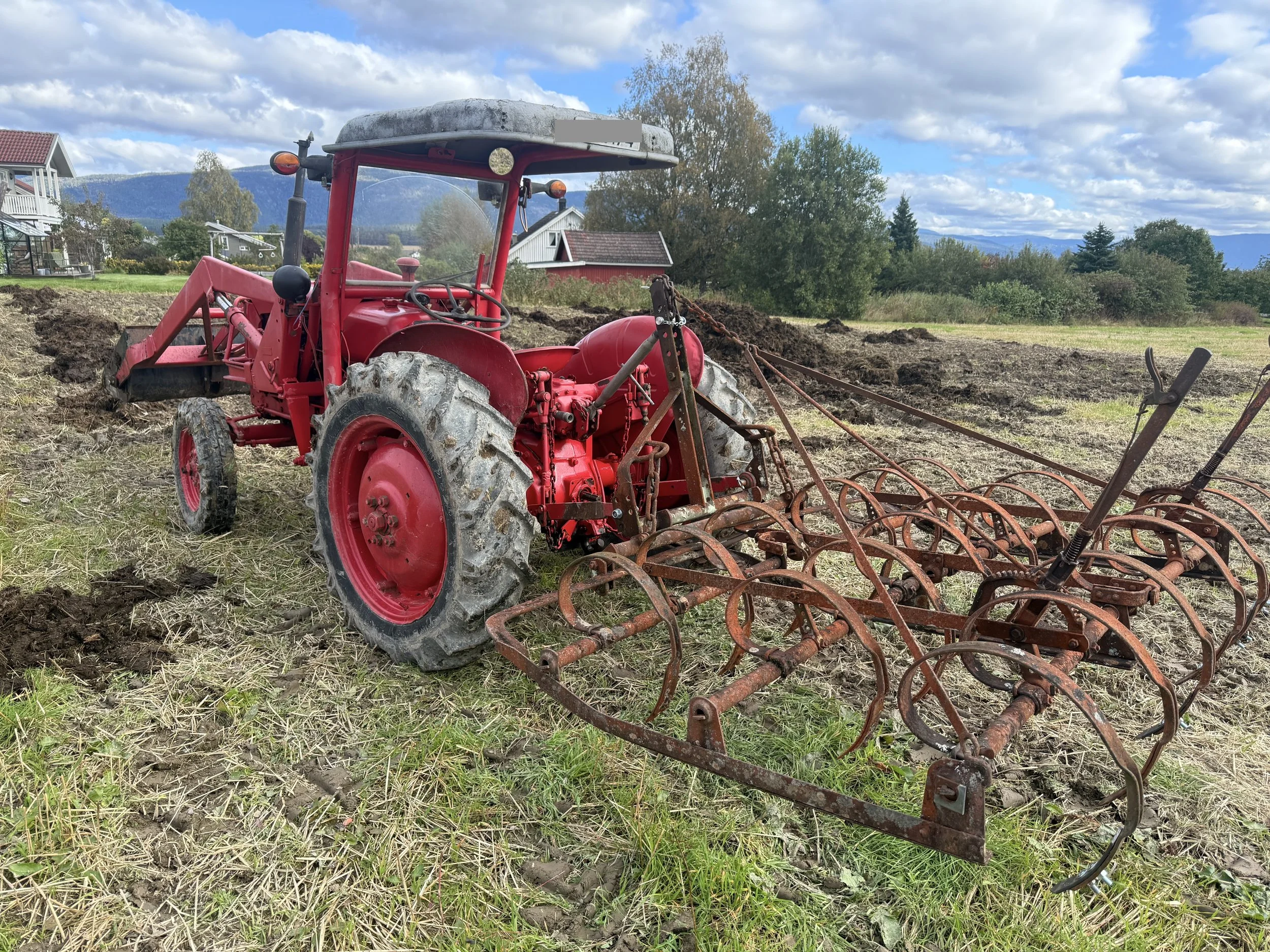
I take the opportunity in fall and give my 62-years-old tractor “Herr Nilsson” a bit more love and affection than usual. I change the filters that need changing, change the engine oil, give him a really good grease in his old bones, and some frost-free additives for the liquids.
Any other tools and machines you don’t use in the winter months: Drain anything without antifreeze protection: pumps, pressure washers, water tanks. Water expands when it freezes, creating expensive damage you'll discover come spring. Grease fittings, check tyre pressures (and change to winter tires, if applicable), and cover with breathable material like old sheets.
IV. Infrastructure & Heating
Water System Protection
Depending on your set-up, everything with water and a pipe needs to be turned off, if not insulated or buried deep enough. Outdoor taps need draining and/or insulating. I turn off interior valves, open exterior taps, and remove all adapters for hoses, etc.
Because I’m on the grid, which means, I have access to community water, I don’t really need to store water. We never had any problem with water shortages. But just in case, I store some drinking water for myself and the dogs. But the water system for the garden and chicken coop is not deep enough in the ground, so it all needs to be shut off. I just get a bucket of water every day from the house for the chickens.
I’ve learned an expensive lesson about my rain water collection system and winter, though. IBC containers can burst - so can everything else you store water in outside. Make sure all your outdoor water tanks are empty, open, and taps and hoses are removed.
Building Maintenance
Minor repairs become significant problems when ignored through winter. The old farm buildings taught me to check everything twice before the snow flies: the Norwegian winter storms blow snow into every little corner, through the smallest hole, and in places you would have never guessed! So, fix that loose board, shut that window, and put an additional tarp on the machine in the barn.
I've often thought that I could repair something in winter, but when ice and deep snow cover everything, and the ground feels like stone, it is simply not possible anymore. Do your repairs now. If it's just a "winter-fix" - only relevant for the winter storms, it doesn't matter what it looks like. Just use what you have.
I also added some tarp on the sides of the chicken run to keep the chickens dry and draft-free. They have a big outdoor space like that, protected from the elements. You can use empty plastic feed bags (ours are all made of paper, luckily), ask around for advertising banners, or buy a cheap tarp. I only found dark tarps, which block a lot of light. But while strolling through the bathroom section in the hardware store (Biltema), I found transparent plastic to protect the walls in bathrooms under tiles. It's also cheaper than more durable tarps.
Firewood and Heating Preparation
Check your firewood to see if it’s dry enough to use. I also move some for direct use in the dirt room before the house. First, it’s warmer there than outside, so it burns quicker, and I don’t need to step through snow in my PJs to the wood storage on a cold morning. Check your wood stove and all other heat sources you use to ensure they are working correctly and are safe.
And talking about safety, check your fire alarms, change the batteries, is the chimney free, does the fire extinguisher still work, and anything else you do for safety. Winter time here in the region also means power outages, so I make sure to have enough candles, fire starters, matches, and rechargeable lights. For more extended outages, I use big batteries, but those are always charged, just in case.
VI. Preparing Mind and Spirit
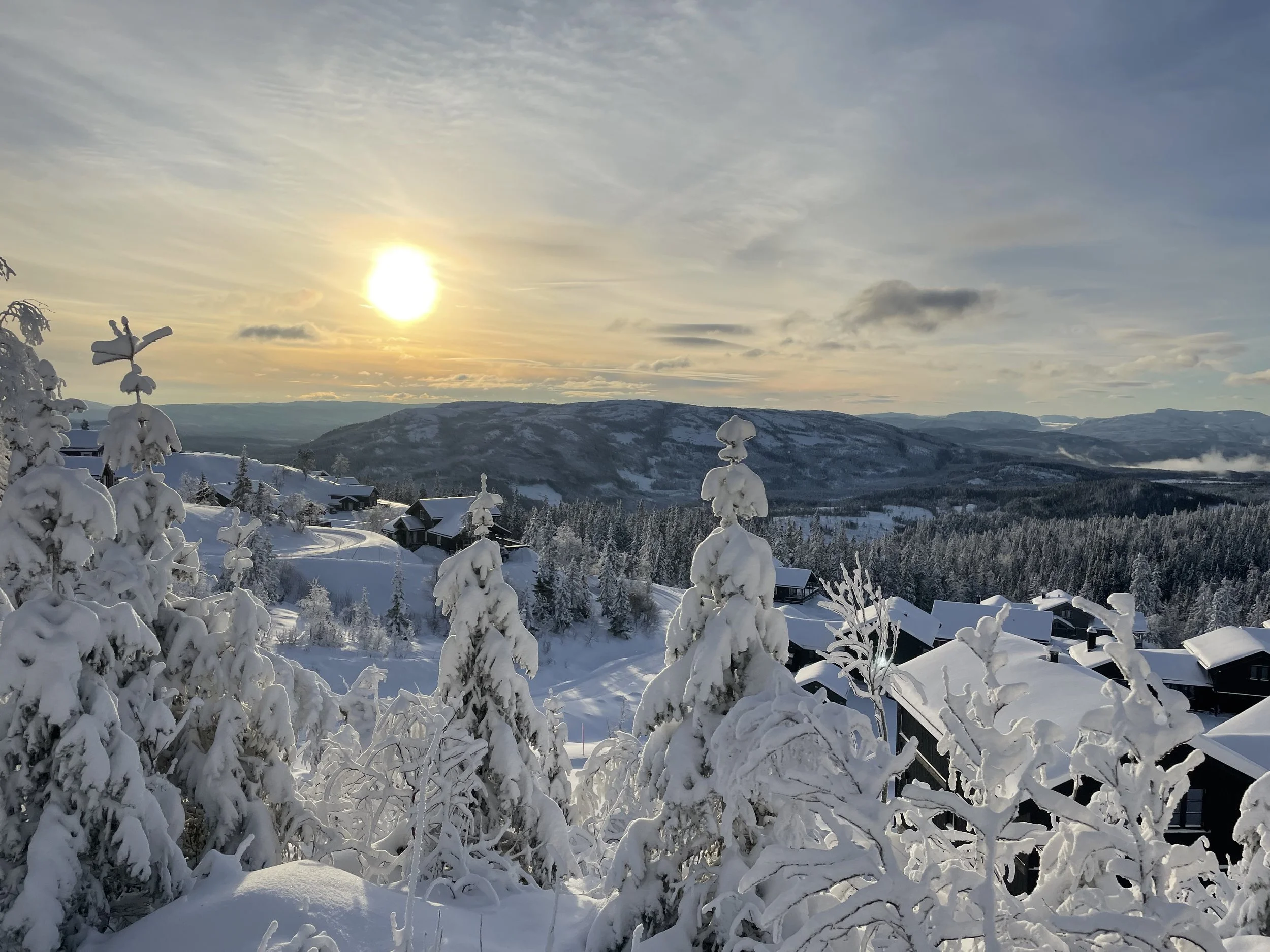
Winter preparation isn't just about physical tasks—it's about adjusting our expectations and rhythms to match the season ahead. I love winter. As Sir David Attenborough wonderfully said: "We're meant to slow down when daylight decreases, to turn inward when nature does the same."
Modern life often prevents this natural rhythm, but homestead living allows us to rediscover it. If you think about it, we humans tend to gain weight during the winter months and try to lose it for summer. Now look at what nature does: They try to get as fat as possible during the giving months, while plants and animals alike get leaner in winter. Something seems to be really wrong with our modern lifestyle.
As a homesteader, you might not be able just to wind down and do nothing all that time (actually six months here in Norway). Of course, there are still all the animal chores, snow cleaning, making new firewood, and so on. I personally increase work for money in those months to have funds for more homestead projects.
But winter is also the time for many indoor projects: knitting, sewing, planning next year's garden, editing all the videos from summer, writing blog articles, and learning new skills through reading or online resources. These quiet activities feel luxurious after the last six months of urgent pace. Winter becomes a gift rather than an endurance when approached with the right mindset. And not to forget all the bliss that winter provides: the cross-country slopes right outside my house, stunning ski tours in the mountains, or ice skating on one of the many frozen lakes.
The seasonal transition affects everyone differently. Some feel ready for winter's quietness and cosiness, others mourn summer's passing. Both responses are normal and valid. What matters is recognising these feelings and preparing mentally as thoroughly as we prepare physically.
The beauty of winter preparation lies in its completeness. When physical tasks are finished, mental preparation can begin. There's profound satisfaction in knowing you're ready—food stored, animals comfortable, tools maintained, spirit prepared for whatever winter brings. And it's also the perfect time to reflect on the last season: What went well, what not so much? Write it all down, if you didn't already. And very soon you will start planning the next growing season again.
