
5 essential homesteading Skills for a Low-Budget Homestead
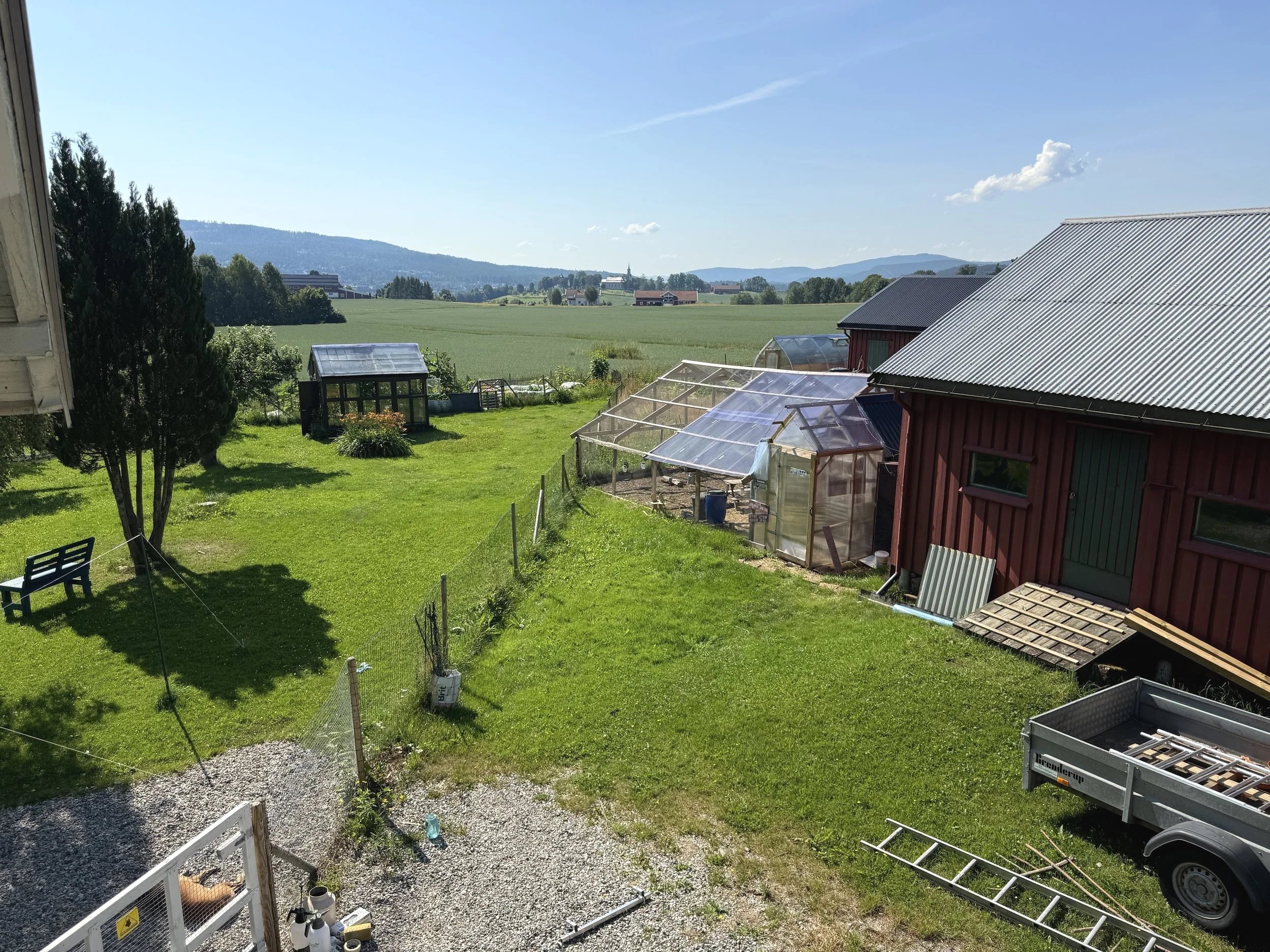
I'm standing in my garden on a sunny October morning, watching my three rescue dogs enjoying the last warm fall sun in the still green grass while the chickens take a dust bath and chase some insects. Not long, and winter is here.
Four years ago, I stood in almost this exact spot, staring at overgrown fields and the retired small farm I was renting, wondering what could be possible. Not that I knew what I was doing, no practical homestead knowledge, only a dream, a passion for this lifestyle, determination and willingness to learn everything. And this, by the way, in a new country — Norway.
Here's what nobody tells you about homesteading: you don't need to be rich to start. You don't need expensive courses or generations of farming knowledge passed down at the dinner table. You don’t need to buy a place. You don’t need all those expensive, state-of-the-art machinery and tools. And—you don’t need to be young. What you need is to become a hard working all-rounder—someone who's willing to try anything, fail (learn!) at most things initially, and then figure it out anyway. You'll become good at so many things. Maybe not perfect (my veggie garden will never be Instagram-worthy), but your knowledge will grow immensely.
On a homestead, "I can’t" is a sentence you are not allowed to even think. If something needs doing, you try your best. YouTube and blogs become your best friends. You try, you fail, you adapt, you succeed—then you fail again at something else and start over. Every homesteader started exactly where you are right now: slightly terrified and absolutely determined. For me, this is the beauty of this lifestyle: continuous learning, never being bored (you won’t have time for that).
One important thing — talking about homesteading — Social media wants you to believe that only the off-grid homesteaders are the real ones. That’s simply not true. I’m on the grid. Being off-grid wouldn’t be easy here in Norway. You just can’t cut the lines - legally. But those homesteaders are the same who buy chicks instead of natural reproduction, plants instead growing from seeds (and buy seeds), and groceries & feed from the store. That’s NOT homesteading.
One of my first blog posts at Solvang Gård is sharing five core skills that cost nothing to learn but will carry you through every season, every challenge, every moment of doubt. Plus one main skill, maybe the most important: PATIENCE. You don't need everything right away. Homesteading is continuous building, expanding, learning. And always—always—have a plan B, C, and D. Because your chickens will definitely not read the manual, and slugs will have a party in your potato field while frost decides to move your chicken coop several cm up, so you can’t open the door anymore.
I. Observation: The Foundation Skill
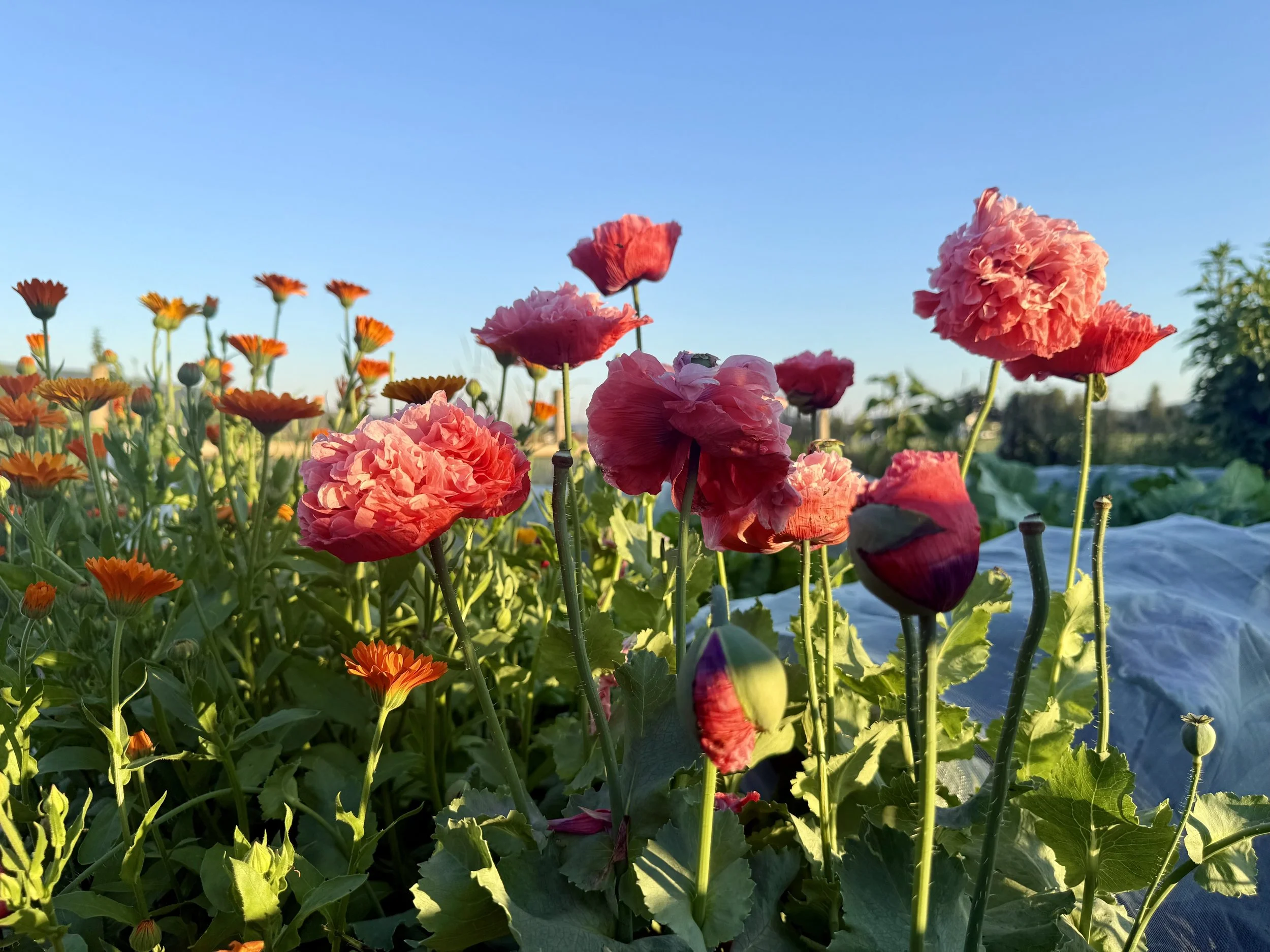
Before you learn to do anything on a homestead, you need to learn to see. Get to know everything. Take everything in. I don't mean just looking—I mean really watching, noticing, paying attention. A skill that has to be mastered over an entire lifetime: understanding through patient, careful observation. It's free, it's available to everyone, and it will save you more money than any fancy equipment ever could.
Let me tell you about the potato disaster of year one. I'd planted two beds of potatoes (my first ever!) and was so proud of the neat mounds I'd made. I checked them maybe twice a week, looking for green shoots. What I didn't notice—because I wasn't really observing—were the tiny holes appearing in the leaves. By the time I actually paid attention, snails had decimated half the crop. I stood there in the June drizzle, near tears, staring at plants that looked like after a nuclear war. If I'd spent just ten minutes a day truly watching, I would have caught it early and could have avoided it. Instead, I learned an expensive (and potato-less) lesson.
Now? I'm obsessed with observation. Every morning, I walk the property with my coffee (and usually all three dogs trailing behind). I check the chickens: Is anyone limping? Are their eyes bright? Is the water clean? Has something tried to dig under the run during the night? Are the nesting boxes being used or are they laying eggs in weird corners again? You become aware of everything because catching problems early is the difference between a quick fix and a disaster.
You'll also get obsessed with the weather—and you'll learn to predict it yourself, not just trust the forecast. I can feel when rain's coming by the way the air pressure changes and how the air smells. I know that when the birch leaves show their pale undersides, wind is coming. The clouds over the mountains tell me if I have time to spread mulch or if I should wait. This isn't mystical knowledge; it's just paying attention to patterns, season after season.
Here's what to observe daily: weather patterns and how they affect your land, soil moisture (stick your finger in—no need tor fancy moisture meters!), how plants respond to changes, animal behaviour (chickens are excellent alarm systems), and any signs of pests or disease. Keep a simple journal. Every evening, I jot down three things I noticed. That's it. Over time, patterns emerge. You'll realize "oh, the beans always wilt around 3pm in July" or "the hens stop laying when it drops below -5°C."
This skill compounds with everything else you'll learn. Observation prevents expensive mistakes, helps you work with nature instead of against it, and gradually makes you feel less like a bumbling amateur and more like someone who understands their little piece of earth. You are prepared now.
Start This Week: Commit to spending 10 minutes outside every day—same time if possible—observing one specific thing. Maybe it's your tomato plant, the way light moves across your garden space, or how the birds behave. Write down what you notice. No judgment, no pressure—just watch. Time: 10 minutes daily. Cost: Free. By next month, you'll be amazed at what you see that you missed before.
II. Growing Food and Livestock

1. Seed Starting
Seed starting is where most homesteaders begin, and honestly, it's perfect for that. It's immediate, it's achievable, and when those first tiny green shoots push through the soil, you'll understand why people love growing things. I still remember my first seedlings: tomatoes, squash, cucumber. I checked them obsessively, morning and night, like an anxious parent.
Here's the beautiful secret: you start with what you have. Forget fancy seed-starting trays. Use egg cartons, yogurt pots, milk boxes. Poke a hole in the bottom for drainage. Fill with soil—garden soil works fine. Plant seeds twice as deep as they are wide. Water gently. Put them somewhere warm and bright.
During your first season, start harvesting your own seeds. It seems complicated but really isn't. Let one lettuce plant bolt and go to seed. Collect the dried seeds, store in a labeled envelope. Next spring, plant them for free. I started doing this in year one with lettuce, radishes, tomatoes, cucumbers and beans, and now I barely buy seeds anymore.
Always have a backup plan. I learned this when a late frost killed my first batch of young tomato plants—all of them, in one cold April night. I'd started them too early and put them outside too soon. I wanted to give up. Instead, I started again, kept them inside longer, and planted them out in June instead of May. They still produced, just later. Now I always start more seeds than I need.
The confidence this builds is real. You realise you can grow food from a seed that cost basically nothing. You're not dependent on garden centers or their timing. And when you bite into your first homegrown tomato—sun-warm, juice running down your chin—you'll understand why people do this.
Improve your setup bit by bit. I started with windowsills, now I have a growing room with lights and built greenhouses from old windows someone was throwing away. You don't need it all at once. Every year, you add one thing. Every year, you get a bit better.
Start This Week: Find 3-6 containers—egg cartons, yogurt pots, anything with drainage holes. Fill with soil, plant easy seeds: lettuce, radishes, spinach, or herbs. Water gently and place on your sunniest windowsill. Time: 15 minutes. In one week, you'll see tiny green shoots, and you'll feel like a magician.
2. Understanding Your Soil
Healthy soil is the backbone of your homestead—literally everything grows from it. But here's what I wish someone had told me: you don't need to understand soil chemistry to start. You just need to pay attention to what your soil tells you, then work with it season by season.
The squeeze test is your friend. Grab a handful of moist soil and squeeze it. Does it form a tight ball that barely breaks apart? You've got clay. Does it fall apart immediately and feel gritty? That's sandy soil. Does it hold together but crumble easily? You've hit the jackpot—that's loamy soil. We have heavy clay here, the kind that turns to concrete in summer and swamp in spring. It's not ideal, but even clay soil has its benefits.
Your soil tells you what it needs through what grows in it. Moss and standing water? Poor drainage. Lots of dandelions? Compacted soil. Clover thriving? Actually, that's good—clover fixes nitrogen. I spend time watching what volunteers to grow, because those plants are telling me about my soil conditions.
Start composting as soon as you can. It's stupidly simple: just pile organic matter. I have a pile behind the big greenhouse where I throw kitchen scraps the chickens don't eat, weeds without seeds, chicken bedding, straw, fall leaves—anything organic. It sits there, breaks down, eventually becomes beautiful dark compost that smells like forest floor after rain. No fancy bin needed—just make a pile and keep it moist.
Be patient—soil improves over seasons, not overnight. In year one, you might need to buy some compost. But by year two, you're making most of your own. By year three, your soil will be noticeably better. Now, in year four, earthworms have moved in and the clay is slowly transforming into something more workable.
3. Starting with Chickens
Chickens are the perfect gateway to livestock—easy to care for, productive, and they'll teach you animal husbandry basics without the complexity of larger animals. Start small with 3-4 hens (no rooster needed for eggs). They need shelter, food, water, and protection from predators. That's really it.
Build their coop from whatever materials you can find. Mine's held together with reclaimed wood, rusty screws, and determination. It's not winning any design awards, but the chickens don't care. They need about 4 square feet per bird in the coop, 10 square feet per bird in the run. One nesting box per 3-4 hens. Ventilation matters more than insulation.
Feed them layer pellets as their base diet, plus kitchen scraps, weeds, and bugs they find foraging. They'll eat most vegetable scraps but avoid onions, garlic, chocolate, and avocado. Fresh water daily is non-negotiable. In our Norwegian winters, I change their water twice daily when it freezes solid.
Chickens will teach you to observe animal behavior. Healthy chickens are alert, active, eating regularly, with bright eyes and red combs. Sick birds are lethargic, isolate themselves, stop laying. Most problems are preventable with clean housing, fresh water, and proper nutrition. They'll reward you with fresh eggs daily and endless entertainment—plus they'll turn your food scraps into fertilizer.
Start This Week: If you're ready for chickens, plan your coop location and start collecting building materials from local swap groups. Join poultry groups online to connect with local breeders. If you're not ready yet, visit a local farm to observe chickens and ask questions about daily care.
III. Preserving the Harvest

Here's the thing about growing food: you go from nothing to drowning in tomatoes/beans/zucchini in about two weeks flat. July and August on a homestead are glorious chaos. But preservation—that's how you turn summer's abundance into winter's security. It's how you eat your own tomatoes in February. And honestly, there's something deeply satisfying about opening a jar of pickled cubumbers you put up yourself, knowing exactly what's in it.
There are several ways to preserve food, and each has its place. Freezing is the easiest—if you have freezer space. Blanch vegetables (briefly boil, then plunge into ice water), bag them up, freeze them. Done.
Canning is more involved but incredibly rewarding. You need jars, and a large pot for water bath canning, and some tools. There's a learning curve—my first batch of tomatoes didn't seal properly and I lost half of them. I sat on the kitchen floor and cried. But I tried again, followed proper canning safety guidelines, and now it works beautifully. The jars lined up in the pantry look like tiny soldiers of self-sufficiency.
Fermentation is ancient, free (no special equipment needed), and produces food that's actually good for you. I ferment sauerkraut, pickles, and hot sauce. You just need vegetables, salt, water, and jars. The vegetables preserve themselves through beneficial bacteria. It takes about two weeks, smells a bit funky during the process (fair warning), and results in tangy, probiotic-rich food. Our sauerkraut lasts for months in the cellar and costs essentially nothing to make.
Dehydrating works brilliantly for herbs, mushrooms, and some fruits. You can buy a dehydrator, or use your oven on the lowest setting (free if you already have an oven), or even air-dry herbs by hanging them in bunches (completely free). I dry herbs, tomatoes and fruit leather from the leftovers of juice making. Our entire year's supply of herbs costs nothing and hangs in bundles from our kitchen ceiling like something out of a fairy tale.
Root cellaring is preservation through cool, humid storage—no processing needed. Potatoes, carrots, beets, onions, garlic, and pumpkin just sit in crates in our cellar, staying fresh for months. You can use the coolest, darkest corner of your basement and some veggies crates (you only pay a deposit if you get them from a grocery store). It works. But I have invested in a big vegetable fridge this year, because my root cellar is unfortunately inhabited by huge monster-spiders. I won’t set a foot in there!
IV. Problem-Solving
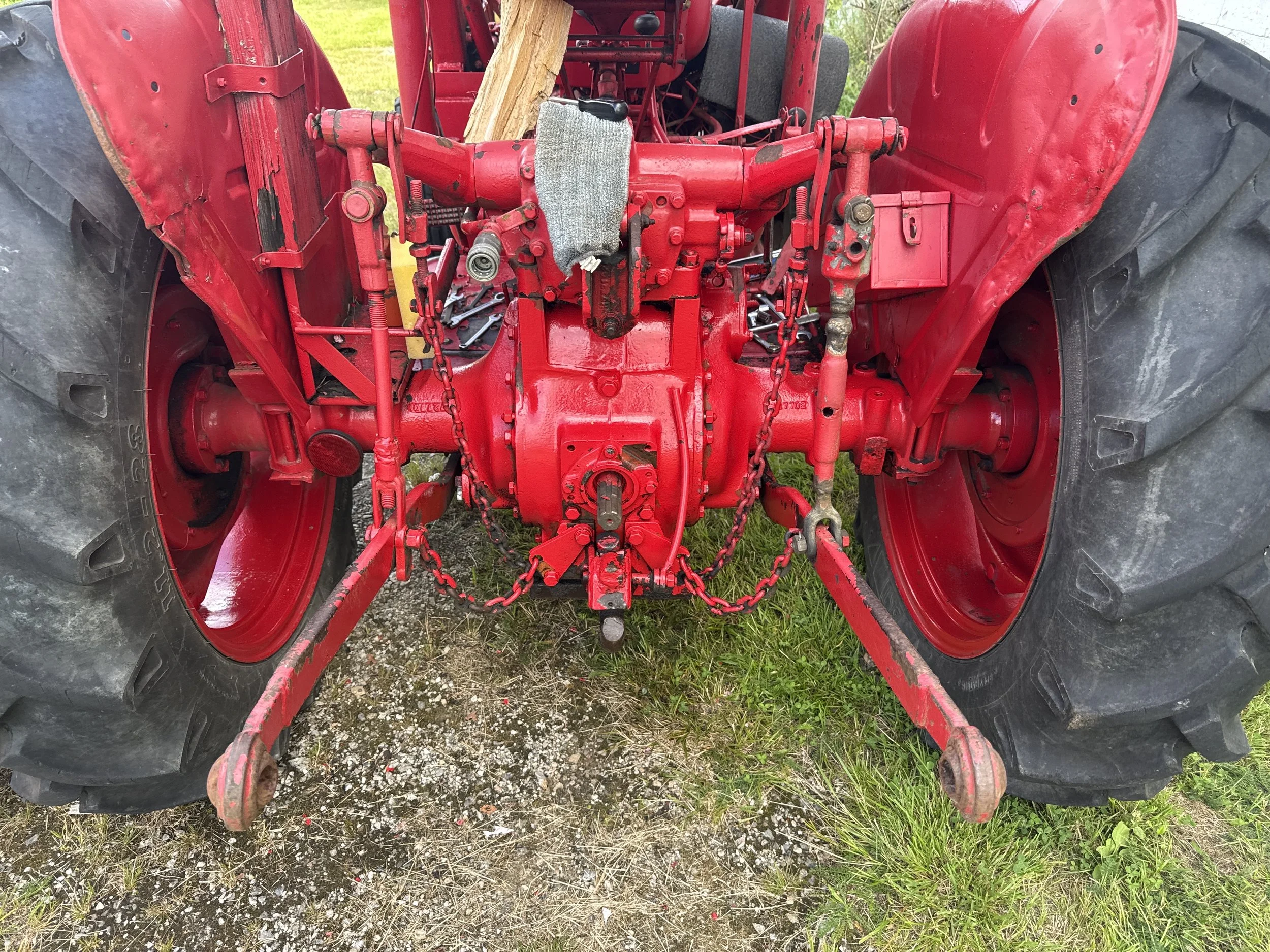
This is the skill that separates homesteaders who spend a fortune from those who make it work on almost nothing. It's a complete mindset shift—from "What do I need to buy?" to "What do I have?" This mindset not only saves money, it’s also great for the environment. What others throw away, you can use to house new life, grow food, make healthy soil. Once you’re getting aware of how much you’ve been a part of the “just-buy-and-throw-away”-game, you become obsessed with “Oh, I keep that. I’m sure I can use it somehow.” But be careful, not to turn into a hoarder!
Forget about pretty and perfect. My chicken coop is held together with reclaimed wood, rusty screws, and determination. It's not winning any design awards, and you probably won’t be able to show it off on Instagram. The chickens don't care. They're warm, safe, and laying eggs—that's what matters. Also, I like to keep my eyes open, when walking the dogs. Check out the places where people renovate or build. You get really good stuff there!
My first greenhouse was made of old windows. I saw an ad on a local group: "Free windows, must collect." It took three drives to the place to collect them, but hey, all for free! And the platform I’ve build it on, was made of reclaimed planks from my landlord’s pool deck he renovated. You need to talk to people. They will even come to you asking if you need this or that. I don’t really need to look for materials anymore. I just store what others would throw away and has potential. I always use it somehow.
You learn to see potential in everyday items. Yogurt pots and milk boxes become seed starters (already mentioned, but it's such a good one). Old dresser drawers become nesting boxes for the chicken. Broken ceramic pots get crushed and used for drainage. Glass jars are used for jam, calendula ointment, seed storage, etc.
Where to find free materials? Join local swap groups on social media or marketplaces like Finn.no here in Norway—people are constantly getting rid of useful things. Check recycling centers—many have a "reuse" section where items too good to trash get set aside. Talk to neighbours, seriously. Talk to people. I can’t stress this enough. Also, check out your local stores if you can dumpster dive. I get a lot of pallets and pallet frames like that. Most people want to help. And it helps, if you “pay” them with fresh eggs.
Be prepared for everything and have multiple plans. It’ll take a few years, until you get to know your homestead through the seasons. Here in Norway, for example, we have often harsh winters with deep frost. This means, every fence post, gate, small building (if not done properly) rises up to 25 cm due to clay soil and water expanding. This means a lot of fixing. In spring, like Alaskans say, during break-up, we have to deal with a lot of water. In the first year, the chicken coop and run have been completely under water. Drainage is the key.
This resourcefulness builds community too. You can trade farm-fresh eggs and homegrown veggies for so much. Like electric installations, lending a wood splitter, using tools from someone to change tires on the tractor. It's an economy of generosity and mutual support that feels more real than any transaction at a store. Plus, when you ask to borrow someone's post-hole digger, you end up having coffee and learning they need help with their own project—and suddenly you've made a friend.
Start This Week: Join at least one local swap, buy-nothing, or homesteading group. Make a list of one thing you want to build in the next six months and what materials you'd need. Then, keep your eyes open—you'll be amazed what shows up for free once you start looking. Also, talk to three neighbours or local business owners about what they might have going to waste. This is how you build both your homestead and your community.
V. Being an Allrounder
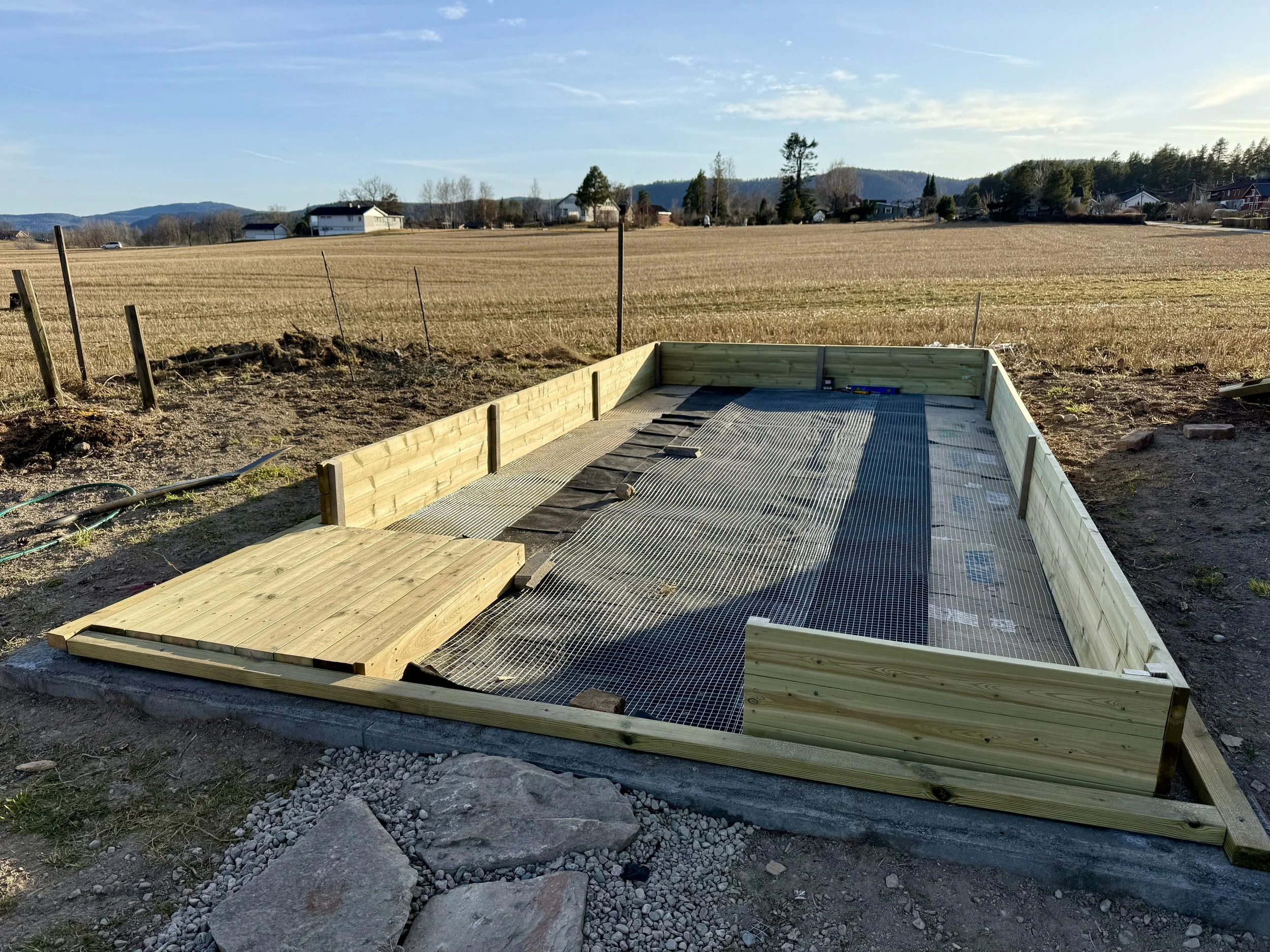
On a homestead, you don't get to be just one thing. That's the part I love most. Monday morning I'm a farmer checking on seedlings, by afternoon I'm a veterinarian treating a bumble foot on a chicken, and by evening I'm a builder laying the concrete foundation for the new greenhouse. Tuesday? I might be a mechanic troubleshooting why the hydraulic system on the tractor stopped working, a logger splitting firewood for winter, and a food scientist figuring out why the tomato passata got bad.
This variety is pure joy for me. I've always been someone who gets bored doing the same thing day after day. Homesteading feeds that need for constant learning and problem-solving. Every challenge is a puzzle to figure out, every skill a new adventure. When the oldest hen, Bette Midler, started limping, I didn't panic—I got curious. I examined her foot, found a small cut, cleaned it with warm water, put some blue spray on it and kept her separated until it healed. I felt engaged and useful in a way that sitting at a desk never makes me feel (I still have to do it for earning money though).
The beautiful thing about being an allrounder is that skills build on each other naturally. Learning basic carpentry for chicken coops teaches you about tools and measurements. Those same skills help you build raised beds, repair fences, construct greenhouse frames. The raised beds teach you about drainage and soil levels. Understanding soil helps you troubleshoot why plants aren't thriving. Each skill reinforces the others, creating a web of knowledge that makes you more capable and—more importantly—more creative in how you solve problems.
You don't need to become an expert at everything, but you do need to become fearless about trying—and excellent at researching. I can split firewood (and actually find it meditative now), do plumbing repairs, treat minor animal ailments, maintain the tractor, preserve food, build structures, and diagnose plant problems. But here's the truth: I couldn't do any of this when I started. What I could do was research, watch YouTube videos, read blog posts, and learn from other homesteaders' experiences. Research is absolutely key to being a successful allrounder. The key is approaching each new challenge with curiosity instead of fear, armed with knowledge you've gathered beforehand.
Here's something important: you won't be perfect at everything you do, and that's completely fine. Over time, with each new project, you get better. The techniques improve, you learn shortcuts, tipps and tricks, and you’ll develop your own ways of doing things that work for your situation and your tools.
The secret is embracing the variety instead of being overwhelmed by it. Every season brings different challenges and different opportunities to learn. Winter means firewood and animal care, spring brings building projects and seed starting, summer is all about growing and preserving, autumn means harvest and preparation. You never get bored because there's always something new to master, always another skill to develop, always another way to become more self-sufficient.
Start This Week: Choose one small repair or maintenance task you've been putting off—a squeaky gate, a loose fence post, or even that leaky roof on the chicken coop. Watch a YouTube tutorial, gather basic tools (you probably already have most), and try fixing it yourself. Even if you don't succeed completely, you'll learn something useful for next time—and you might surprise yourself with how capable you are.
Your First Step
Four years later, I'm still standing in that same spot, still learning, still developing the little rented farm in the Norwegian mountains. The difference is that now I know how to observe the land, grow our food, preserve the harvest, and solve problems with whatever's at hand. I’m now ready for pretty much everything. It’s not perfect. But we're here, learning, growing, happy.
As Jane Goodall reminds us: "What you do makes a difference, and you have to decide what kind of difference you want to make." You already have what you need to begin. You have the ability to watch, to learn, to try. You have access to free information, free materials if you look for them, and time—even if it's just ten minutes a day. You don't need wealth or inherited knowledge. You need curiosity, patience, hard work and the willingness to fail and try again.
Start small. Pick one skill from this article—maybe it's just watching your space for ten minutes each day, or planting three seeds in an egg carton, or joining a local swap group. That's enough. That's how this begins. Not with perfection or a massive investment, but with one small action toward the life you want. And for a better life with nature. We only have one planet. And here you can read more about how to avoid the most common mistakes.
